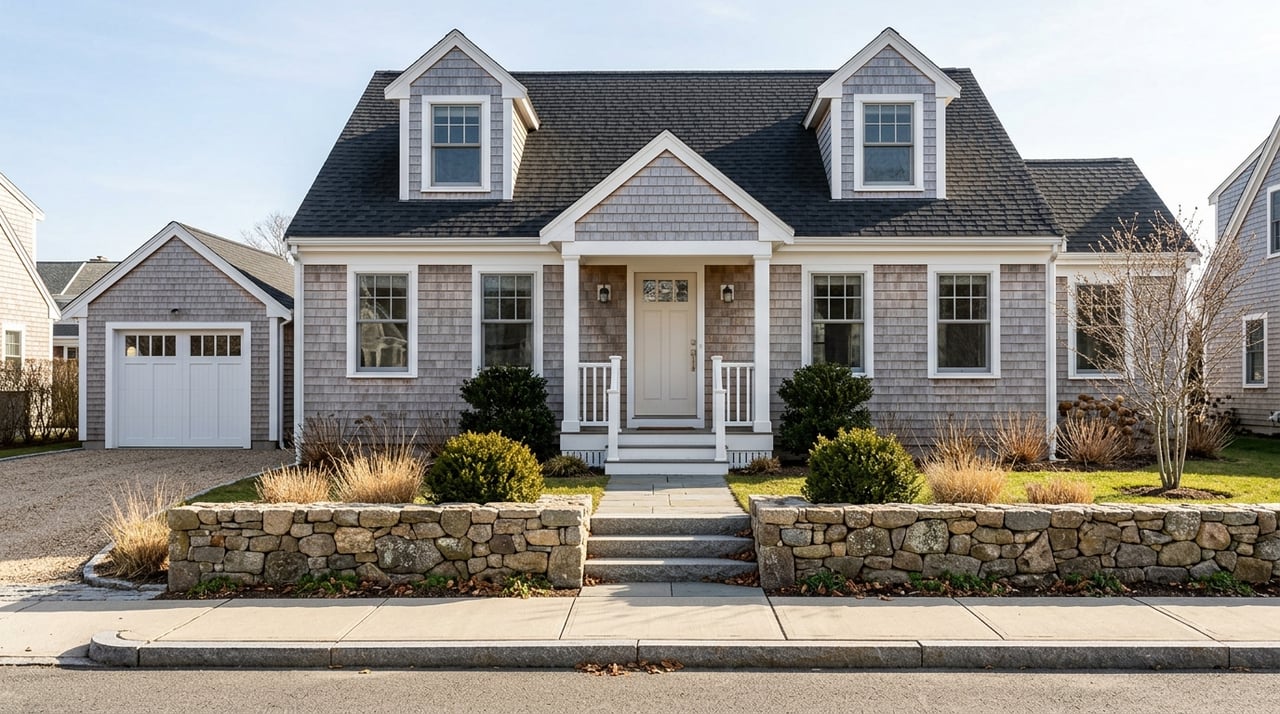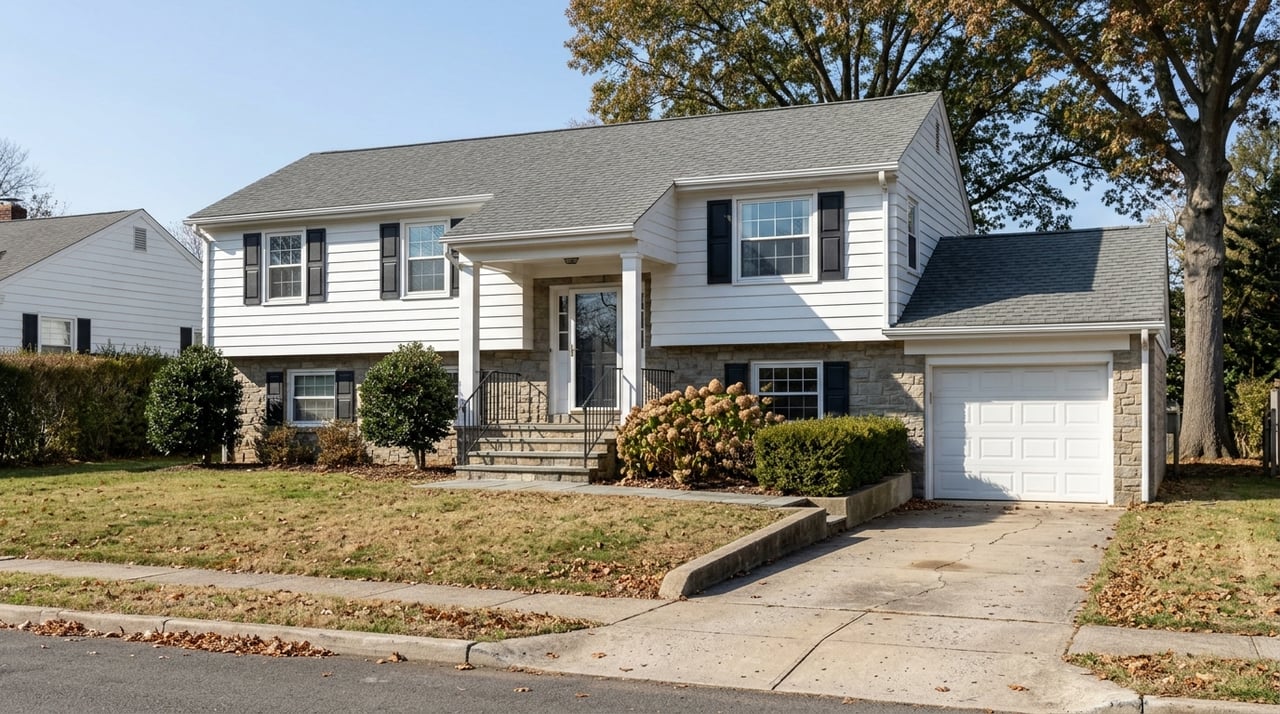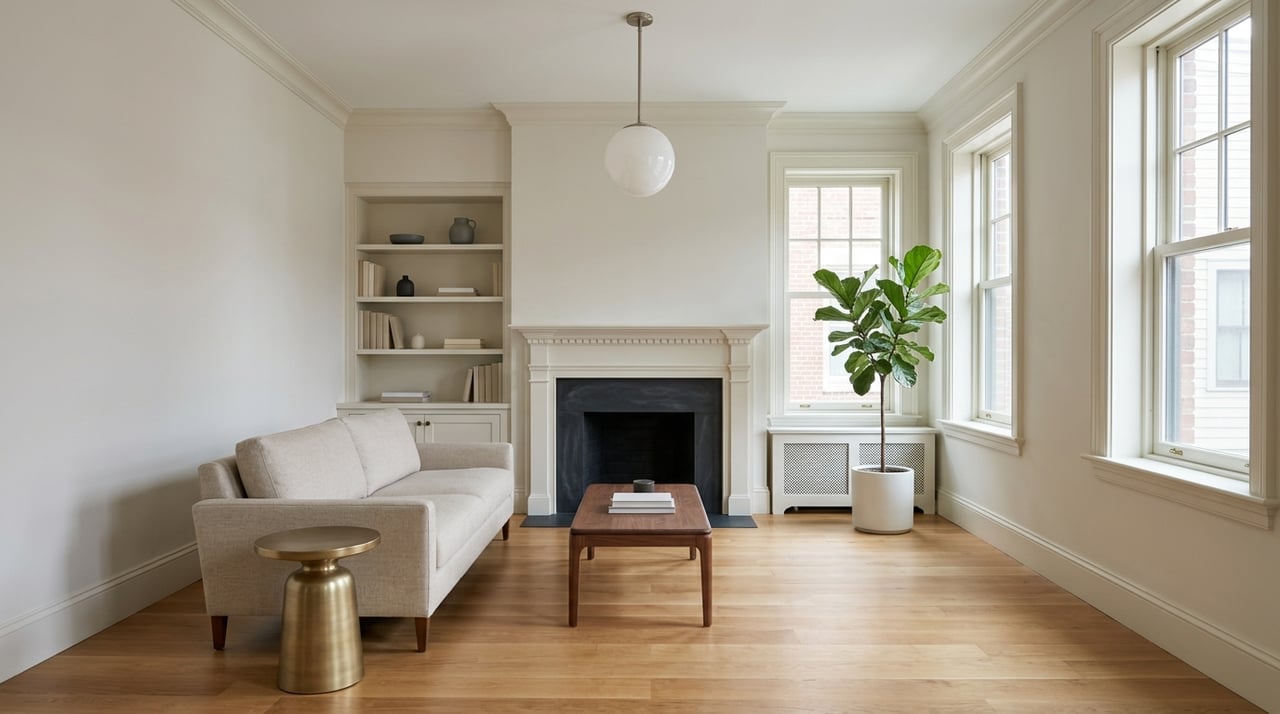
Are you ready to trade extra rooms, constant upkeep, and long suburban to-do lists for a more connected daily life in Providence? If you are selling a larger luxury home and considering a move into the city, the decision is often about more than square footage. It is about simplifying well, protecting your equity, and choosing a home that better fits how you want to live now. Providence offers a compelling mix of culture, walkability, historic character, and regional access, and this guide will help you think through the move with clarity. Let’s dive in.
Why Providence appeals to downsizers
Providence offers something many suburban sellers are looking for: the chance to trade space for proximity. Instead of maintaining a large property, you may be able to live closer to restaurants, museums, riverfront walks, shopping, and rail connections, all within a relatively compact city footprint.
The city is substantial enough to feel active, but still manageable in scale. The U.S. Census Bureau estimated Providence’s population at 194,706 in July 2024, and Rhode Island’s 2025 housing report placed the city’s 2024 median owner-occupied home value at $362,200. That same state report listed the median year built as 1939, which points to a mature housing stock with plenty of older and historically styled homes.
For many luxury suburban sellers, that mix is the draw. You are not simply moving into a smaller home. You are often moving into a lifestyle with more access and less maintenance.
What rightsizing can really mean
Downsizing does not have to mean compromising. In many cases, it means being more intentional about the kind of space you keep and the kind of life you want to lead.
If your current home includes formal rooms you rarely use, expansive grounds that require regular care, or multiple floors that no longer feel practical, Providence may offer a more efficient fit. The goal is not just to reduce square footage. It is to align your next home with your next chapter.
For some sellers, that means a luxury condo with building-managed amenities and fewer household responsibilities. For others, it means a smaller single-family home with historic character and a more manageable footprint.
Providence housing options to consider
Condos for low-maintenance living
A condo is often the most direct route to simpler ownership. Fannie Mae explains that condo owners typically own their individual unit, while common areas are owned collectively. That ownership structure can reduce some maintenance burdens, but it also introduces shared rules, fees, and approval standards.
If you are considering a condo, review the association carefully. Fannie Mae advises buyers to understand HOA fees, rules, and whether a condo is warrantable. CFPB also notes that HOA or condo dues are usually paid directly to the association and are not part of the mortgage payment.
For a downsizer, those details matter. Monthly dues may be worth it if they support a lock-and-leave lifestyle, but they should be weighed alongside your budget and expectations.
Smaller single-family homes
If you still want private entry, dedicated outdoor space, or more architectural individuality, a smaller single-family home may be a better fit. In Providence, the older housing stock can offer exactly that, with many established homes dating to earlier periods of the city’s development.
This option can work well if you want to keep some independence without the full scale of a suburban estate. The key is to be realistic about upkeep, parking, stairs, and renovation needs before you make the transition.
How neighborhood fit shapes the move
In Providence, downsizing is often less about choosing a house and more about choosing a daily rhythm. Different areas of the city offer different kinds of access, architecture, and atmosphere.
Downtown and RiverWalk
If you want to be in the center of activity, Downtown and the RiverWalk area may stand out. Official city tourism materials describe downtown as the heart of Providence, with restaurants, shopping, historic architecture, public art, riverfront walking paths, and WaterFire along the city’s three rivers.
This area may appeal if you want a more urban routine and easy access to dining and events. It is often a natural fit for buyers who value walkability and a close connection to the city’s civic and cultural core.
College Hill and Benefit Street
College Hill and Benefit Street are often associated with historic character and cultural proximity. Official neighborhood materials note the area’s connection to Brown University, RISD, and the RISD Museum.
If architectural detail and a strong sense of place matter to you, this part of Providence may deserve attention. It can be especially appealing if you want your next home to feel rooted in the city’s history.
Fox Point and Wickenden Street
Fox Point and Wickenden Street offer a relaxed, walkable setting with a waterfront connection. Official materials describe the neighborhood as home to many historic houses, local cafes, and access to the East Bay Bike Path.
For downsizers who want city living without feeling fully in the middle of downtown, this area can offer a balanced option. It combines neighborhood-scale streets with proximity to water and local businesses.
Federal Hill
Federal Hill is closely tied to Providence’s food culture. Neighborhood guides center it on Atwells Avenue and highlight specialty food shops, wine retailers, artisan boutiques, and community events.
If dining and neighborhood energy are high on your list, Federal Hill may be worth exploring. It can be a strong lifestyle fit for buyers who want everyday access to one of the city’s most recognized commercial corridors.
Hope Street and Summit
Hope Street and Summit may appeal if you want historic homes along with a neighborhood retail strip. Official guides note a high concentration of independently owned businesses in the area.
This setting can work well if you are looking for a residential feel with convenient local shopping and services nearby. For many downsizers, that blend can support a very livable day-to-day routine.
Jewelry and Innovation District
The Jewelry and Innovation District is evolving from its manufacturing past into a mixed-use district tied to Brown’s medical school, hospitals, and the 195 District. Tourism materials also describe it as easily walkable.
If you are drawn to newer mixed-use environments or want proximity to medical and institutional hubs, this area may be worth considering. It presents a different kind of urban experience than Providence’s more historic residential neighborhoods.
What your suburban equity may enable
For luxury homeowners, downsizing is often as much a financial decision as a lifestyle one. Rhode Island’s housing report shows Providence’s median owner-occupied home value rose from $225,200 in 2020 to $362,200 in 2024, a 60.8 percent increase.
That does not mean every property follows the same trajectory, but it does reinforce an important point. If you have owned a larger suburban home for years, you may be sitting on meaningful equity that can support a more flexible move.
That flexibility could shape how much financing you need, what level of finish you can prioritize, or whether you can buy for convenience rather than size. For many affluent sellers, the opportunity is to redeploy value more intentionally.
How to sequence your sale and purchase
Timing is one of the most important parts of a downsizing plan. If you are selling a high-value suburban home and buying in Providence, the order of operations can affect your carrying costs, stress level, and negotiating position.
CFPB says that if you want to move, you normally try to sell your home first before buying another one. That approach can help you understand your net proceeds before committing to the next purchase.
Why selling first often makes sense
Selling first may give you a cleaner financial picture. It can also reduce the chance that you carry two properties at once, along with two sets of taxes, insurance obligations, and maintenance costs.
CFPB also reminds consumers that homeownership includes repairs, taxes, insurance, and any HOA dues. For downsizers, those overlapping costs can quickly add up if the timeline stretches.
When timing overlaps
Sometimes, the right Providence property appears before your current home closes. In that case, temporary solutions may become part of the conversation.
CFPB’s lending rule describes a bridge loan as a temporary loan of 12 months or less, including one used to buy a new dwelling when the borrower plans to sell a current dwelling within 12 months. It can be a useful short-term option when timelines do not line up neatly, though it should be evaluated carefully within your broader financial plan.
Closing costs to remember in Rhode Island
Luxury sellers should also account for local closing costs as part of the move. In Rhode Island, the state says the real estate conveyance tax is usually paid by the seller and is $2.30 per $500 of consideration, with an additional $2.30 per $500 on residential consideration above $800,000.
Property taxes matter too once you buy in Providence. The city ordinance sets the owner-occupied Class 1A rate at $8.40 per $1,000 of assessed value, compared with $14.60 for non-owner-occupied Class 1A property, with homestead or owner-occupied eligibility filed by March 15.
These are not minor details. If you are comparing a city condo, a pied-a-terre style residence, or a primary home with owner-occupied status, tax treatment can affect your ongoing cost picture.
How to make the move manageable
The emotional side of downsizing is often underestimated. Even when the move is positive, sorting decades of furniture, art, collections, and household items can feel heavy.
AARP recommends working from a floor plan, sorting belongings into keep, donate, sell, or toss categories, and avoiding a maybe pile. That advice is practical because indecision tends to slow everything down.
Start with the next home’s layout
Before you move anything, look at the dimensions and storage opportunities in your next home. A floor plan can help you decide what truly fits, both physically and stylistically.
This step is especially important when moving from a large suburban property into a condo or a smaller in-city residence. Pieces that worked beautifully in a large home may overwhelm a more edited space.
Build a sorting system
A simple system often works best:
- Keep what fits your next home and your current lifestyle
- Donate items that are useful but no longer needed
- Sell pieces with resale value
- Toss what is broken, outdated, or impractical
The point is to make decisions with purpose. A well-edited move can make the transition feel lighter from day one.
Bring in support when needed
If the process feels overwhelming, professional help can make a significant difference. NASMM defines senior move management as helping older adults and families with downsizing, relocation, or simplifying homes.
According to NASMM, these professionals may assist with space planning, organizing, sorting, packing, unpacking, and resettling. For sellers leaving large luxury homes, that kind of support can turn a complicated move into a far more orderly one.
Providence as a lifestyle decision
At its best, downsizing to Providence is not a retreat. It is a repositioning. You may be giving up extra square footage, but you may also gain easier access to culture, dining, riverfront walks, rail travel, and neighborhoods with distinct architectural character.
Providence also benefits from regional connectivity. Official tourism materials note that the city sits on Amtrak’s Northeast Corridor and MBTA commuter rail, including rail access between Boston, downtown Providence, and T.F. Green Airport in Warwick. For sellers who still want easy movement through the Northeast, that convenience adds real value.
In spring 2026, public market trackers also described Providence as active and seller-leaning, with Realtor.com calling it a seller’s market in May 2026 and Redfin reporting 76 condos for sale at a median listing price of $440,000. Those figures use different methodologies, so they are best treated as directional, but they do suggest a market where preparation and timing still matter.
A thoughtful downsizing plan can help you make the most of that transition. When the move is approached with clear priorities, the result is often not less life, but a more intentional one.
If you are considering a move from a larger suburban home into Providence, ONE Residential offers a discreet, high-touch approach designed for clients who value strategy, local knowledge, and careful execution.
FAQs
What makes Providence appealing for luxury downsizers?
- Providence offers a compact lifestyle with access to restaurants, riverfront walking, historic architecture, cultural institutions, and regional rail connections, which can make everyday living easier and more connected.
Should you buy a condo or a smaller house in Providence?
- A condo may offer lower-maintenance living and shared amenities, while a smaller single-family home may provide more privacy and architectural individuality. The right fit depends on how much upkeep, space, and flexibility you want.
What Providence neighborhoods should downsizers consider?
- Neighborhood fit depends on your priorities. Downtown and RiverWalk suit buyers who want an urban center, College Hill offers historic character, Fox Point balances walkability and waterfront access, Federal Hill is known for dining, Hope Street and Summit combine residential streets with local businesses, and the Jewelry and Innovation District offers a mixed-use setting.
Is it better to sell your suburban home before buying in Providence?
- CFPB says consumers normally try to sell first before buying another home. For downsizers, that approach can reduce uncertainty around proceeds and help avoid overlapping ownership costs.
What taxes should Providence downsizers keep in mind?
- Rhode Island’s conveyance tax is usually paid by the seller, and Providence also has different property tax treatment for owner-occupied and non-owner-occupied Class 1A property. These costs should be reviewed as part of your move strategy.
How can you simplify the downsizing process before moving to Providence?
- Start with a floor plan for the next home, sort belongings into keep, donate, sell, or toss categories, and consider move-management help if the process feels too large to handle alone.