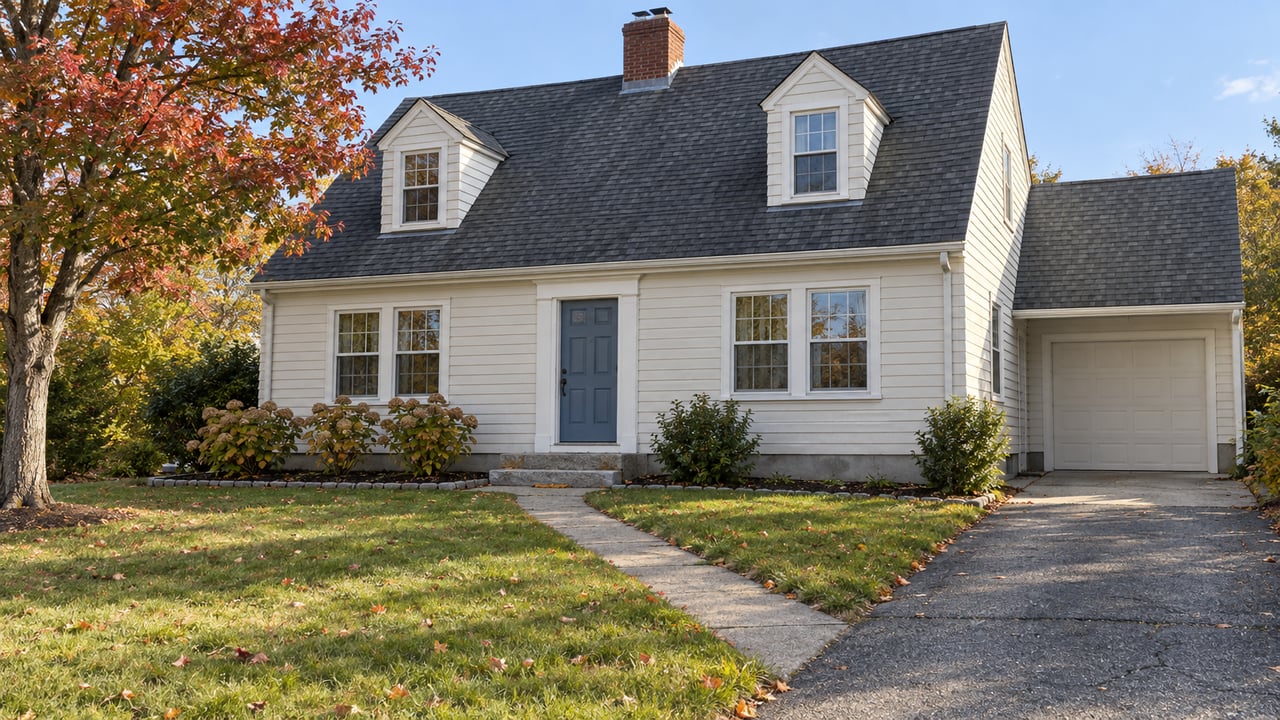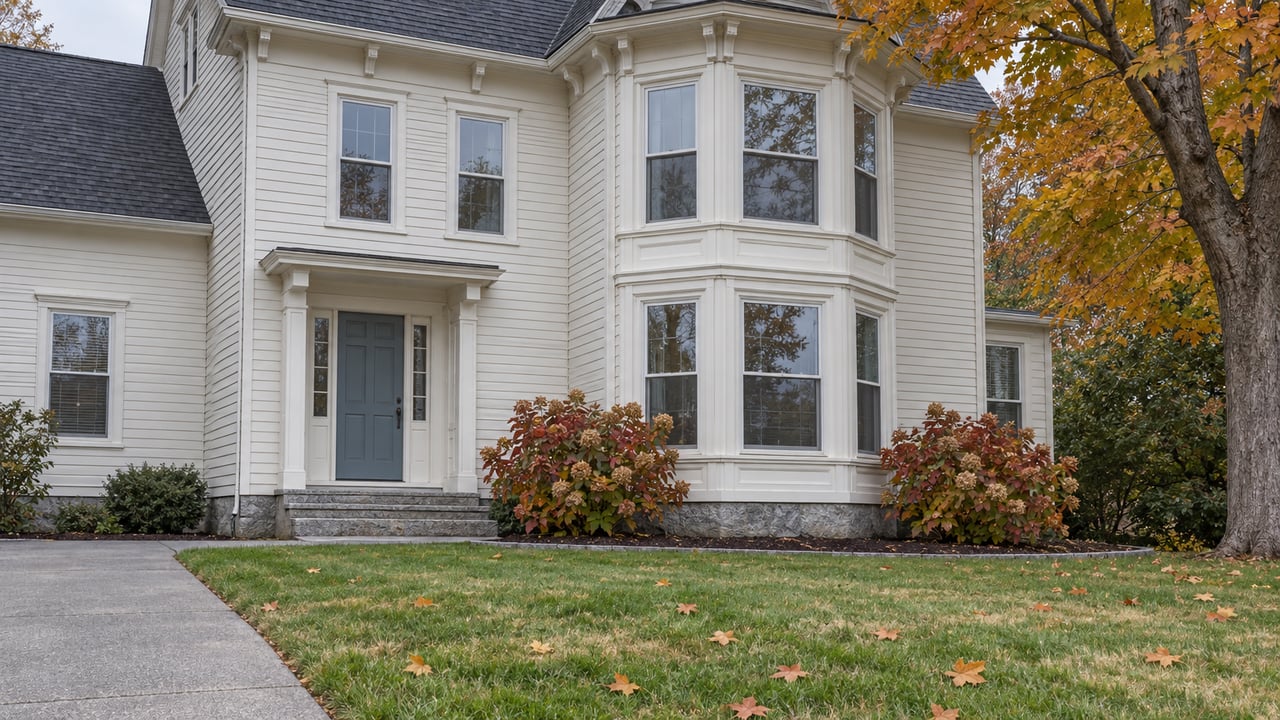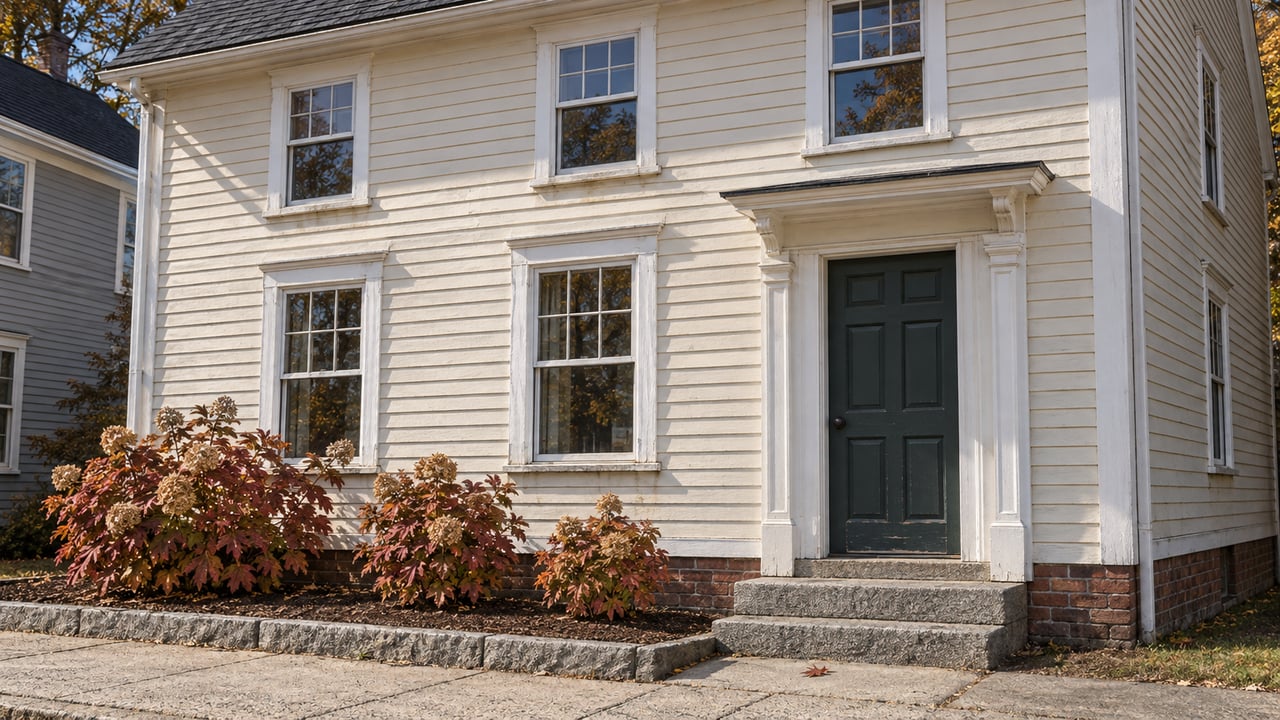
Rhode Island's Non-Owner Occupied Property Tax took effect July 1, 2026. It charges $2.50 for every $500 of assessed value above $1 million on a residential property that its owner does not occupy for at least 183 days of the year. For a Jamestown house under contract this fall, the price, the inspection and the appraisal will not decide who carries the next year of that tax. The date on the closing statement will.
The state's regulation divides the calendar at one point. For transfers on or after July 1, 2026, a closing between July 1 and December 29 puts any tax for that privilege year on the buyer. A closing between December 30 and June 30 puts it on the seller. On an island where the typical recent sale now sits above the $1 million threshold, that one day is worth negotiating over.
Where December 29 Ends and December 30 Begins
The tax runs on a "privilege year" from July 1 to June 30, and the bill for each privilege year arrives the following year. The privilege year running now, July 1, 2026 through June 30, 2027, produces the tax year that starts July 1, 2027, with installments due in September 2027, December 2027, March 2028 and June 2028.
That privilege year is the one at stake for anyone closing between now and the end of the year. Here is how three closing dates this season line up under the regulation's transfer rules, with days counted through June 30, 2027:
| Closing date | Who carries the July 2026 to June 2027 privilege year | Days left in that privilege year | Assessment the bill reads |
|---|---|---|---|
| November 20, 2026 | Buyer | 223 | Town value as of December 31, 2025 |
| December 29, 2026 | Buyer | 184 | Town value as of December 31, 2025 |
| December 30, 2026 | Seller | Buyer's first year begins July 1, 2027 | Town value as of December 31, 2025, billed to the seller's side |
On December 29, the buyer takes over a privilege year with 184 days left in it, one more than the 183-day test requires. The regulation's own October 2027 example shows how this works one year later: the seller covers all tax years through June 30, 2028 and pays in full before closing, and the buyer is responsible beginning with the tax year that starts July 1, 2028.
The calendar also fits how Jamestown sales have been moving. In Q3 2026, the island recorded 20 single-family sales, down from 28 in Q3 2025, and average days on market rose from 41 to 53, according to the RI Statewide MLS quarterly comparison. When listings take longer to go under contract, more contracts signed in autumn get scheduled for closings near the end of December.
The Bill Reads an Assessment From Before You Owned the House
The tax ignores the purchase price. It uses the assessed value set by the town, as of a December 31 that is well behind the closing. RI REALTORS makes the point plainly in its closing guidance: "The assessment – not the purchase price – is the trigger."
The lag runs two years. The first tax year, which began July 1, 2026, uses values as of December 31, 2024. The privilege year now underway uses values as of December 31, 2025. The Town of Jamestown's tax collector page states that its current assessed values are as of 12/31/25, so the town record for a given house is the figure this privilege year's bill will use.
Sale prices cannot tell a buyer whether a particular house crosses the line. In Q3 2026, Jamestown's median single-family sale price was $1,273,750, up from $1,110,000 a year earlier. The September 2026 median was $1,996,133, but that figure rests on only eight sales, so it reflects which houses happened to close more than any change in the market. A house bought for $1.3 million may be assessed below $1 million and owe nothing. A house bought for less may be assessed above the line. The assessment card answers the question, and the price does not.
The $1 million threshold changes too. Starting with tax years that begin on or after July 1, 2027, it will be indexed for inflation.
On This Island, the State's Rate Nearly Matches the Town's
Jamestown taxes residential property at $5.81 per $1,000 for 2026–27. The state's charge of $2.50 per $500 works out to $5 per $1,000 on every dollar of assessed value above $1 million. Because the local rate is low, the state's surcharge comes close to doubling the effective rate on the top portion of the house.
Take a non-exempt house assessed at $2 million. The town bill is $11,620, and the state adds $5,000. At a $4 million assessment, the state's share is $15,000, and at $5.4 million it is $22,000.
Across the island, the numbers are large. The Jamestown Press reported in July that an unofficial town analysis found 440 homes assessed above $1 million, about 12% of residential properties, with a combined assessed value of almost $1.19 billion. If every one of them owed the tax, the total would be about $3.77 million, compared with the roughly $6.95 million those owners already pay the town. That $3.77 million is a ceiling. Registered voters and qualifying rentals are excluded, and statewide the Division of Taxation sent bills to 8,217 properties, about 37% of homes assessed above $1 million.
The Seller's Ten Business Days
Choosing a later closing date does not leave the seller without obligations. Under the regulation, a seller in a covered transfer must contact the Division of Taxation at least ten business days before the transfer to request a Certificate of No Tax Due. The certificate shows that the tax for the current year, all prior years, and the year tied to the transfer's privilege year has been paid or is not owed.
RI REALTORS adds a practical detail that surprises people. According to the Division, the seller must send the request personally, not through a real estate licensee or an attorney, because the information involved is confidential. The certificate is required to close. Requests go to [email protected] with "Certificate of No Tax Due – NOOPT" in the subject line, along with the property address, the seller's name and mailing address, the purchase and sales agreement, the closing date, and any power of attorney.
Ten business days around Christmas cover more calendar time than ten business days in October. A seller aiming for December 30 is working against the holiday calendar as well as the closing date.
The Exemptions, and the Cottages That Can't Use Them
The tax does not apply to a property rented for 183 days or more in the privilege year. That can be a long-term rental under a written agreement covered by Rhode Island's Residential Landlord and Tenant Act, or a short-term rental subject to sales tax. The regulation's example is a beach house rented to college students from September 1 through June 1.
Not every Jamestown house can meet that test. State Rep. Alex Finkelman told the Jamestown Press he had heard from owners of older cottages and summer homes in areas like the Jamestown Shores that are not heated, "so it's not possible to live or rent it out year-round." Senate Bill 2682, introduced February 27, 2026 and referred to Senate Finance, would exempt properties of that kind: not insulated or winterized, with winter water service shut off, used from the Saturday before Memorial Day through Labor Day, located outside a blighted or substandard area, and held by the same taxpayer or family for more than 25 years. The bill would take effect only if it passes.
The tax also faces a court challenge. Fifty-one plaintiffs, including two Jamestown households according to the Jamestown Press, filed in Newport County Superior Court on August 19, 2026, case NC-2026-0353, asking for declaratory and injunctive relief against the Division of Taxation, as WPRI reported. Under the Division's published schedule, the second installment for the current tax year is due December 15.
A Few Direct Answers
Does a sale above $1 million mean the buyer will owe the tax? No. The tax uses the town's assessed value, not the price, and only the portion above $1 million is taxed. Owner occupancy of 183 days or a qualifying rental removes the tax altogether.
Do owners file a return? No. The Division mails assessment notices based on available records. An owner who receives no notice but believes tax is due is still responsible for contacting the Division and paying.
What if the town assessment is under appeal? The Division says to pay on the current assessment and request a refund once the appeal is resolved.
This post is general information about a new state tax, not legal, tax or financial advice. Buyers and sellers should confirm how the rules apply to their own transaction with a qualified tax professional, an attorney, or the Division of Taxation.
If you have a Jamestown contract that will close near the end of the year, or you are deciding when to list, ONE Residential can help you plan the transaction calendar around the December 30 line and the seller's certificate, working alongside your attorney and tax advisor. Request a Private Consultation.