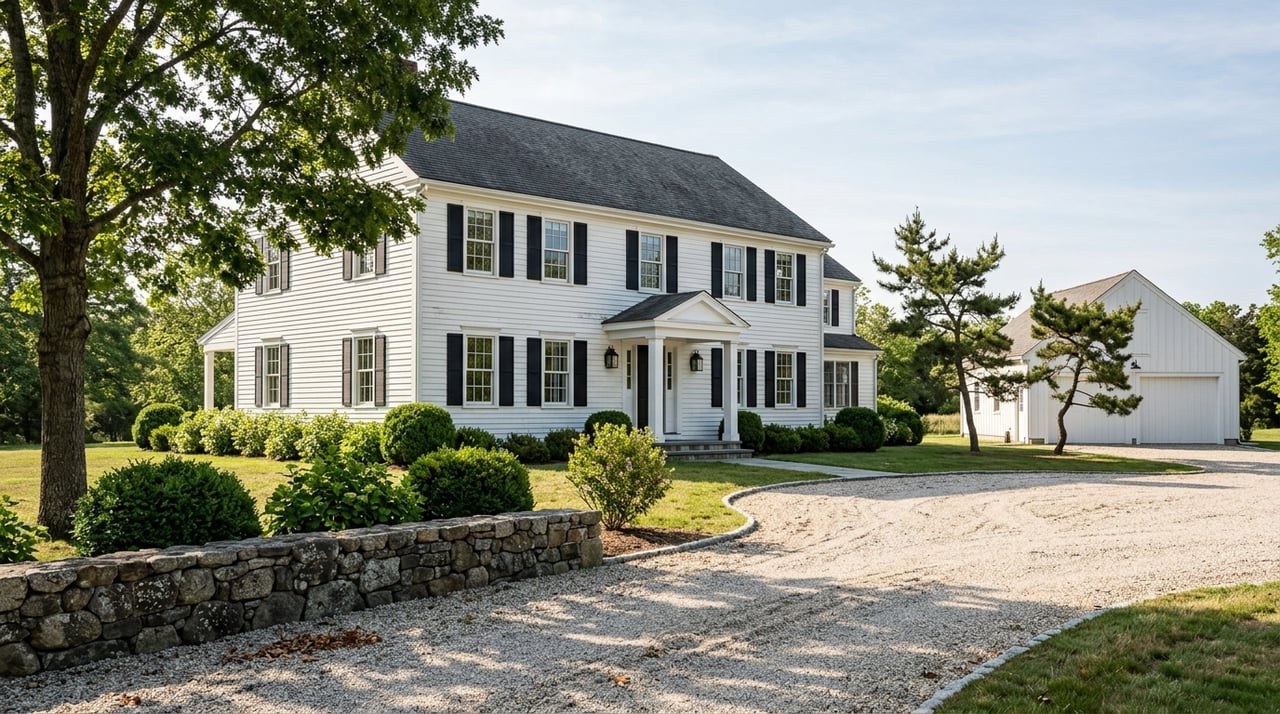
If you are looking at Middletown through an estate-market lens, the appeal is easy to see. You get a rare mix of coastal access, larger parcels, legacy homes, and a setting that feels distinct from both denser Newport and neighboring Portsmouth. Whether you are buying a year-round residence, weighing a second home, or preparing to sell a long-held property, understanding how Middletown’s landscape and market fit together can help you move with more confidence. Let’s dive in.
Why Middletown Stands Out
Middletown sits on Aquidneck Island between Newport and Portsmouth, with the town identifying its boundaries as Narragansett Bay, the Sakonnet River, and Rhode Island Sound. That geography shapes daily life as much as it shapes real estate. You are not just buying a home here. You are buying into a coastal setting with beaches, open land, and strong regional access.
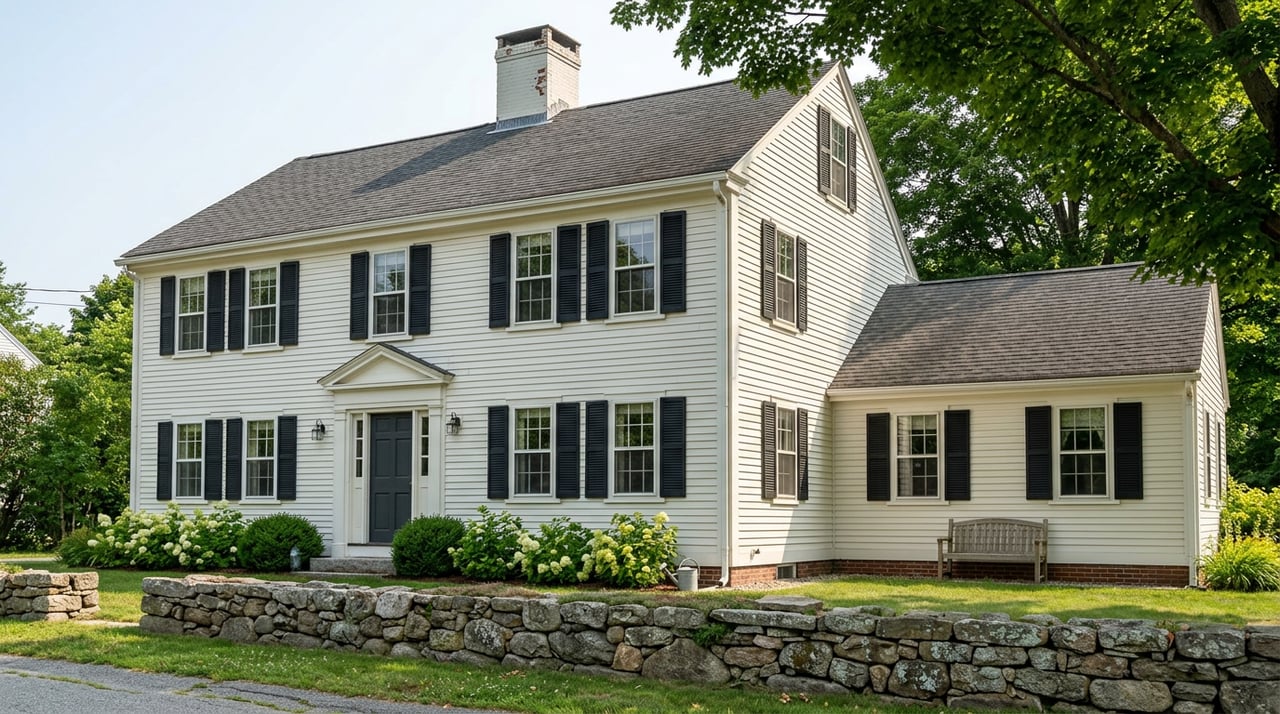
The town also describes itself as semi-agricultural, and that matters in the estate conversation. Stone walls, farmland, conservation land, and lower-density housing give parts of Middletown a scale that feels more open than many nearby coastal communities. For buyers who want room to breathe without losing access to Newport-area amenities, that balance is part of the draw.
Public destinations reinforce that identity. Sachuest Beach, Third Beach, and Sachuest Point National Wildlife Refuge give Middletown a clear beach-and-nature profile that supports both year-round living and seasonal use. In practical terms, these amenities help sustain demand for homes that offer privacy, outdoor space, and proximity to the shoreline.
Coastal Farms And Cove-Side Character
Middletown’s housing and land-use pattern helps explain why the town often attracts estate-minded buyers. According to the town’s housing analysis, lower-density housing on the east side is typically on one acre or more and sits among agricultural and conservation lands. That creates a different property experience than what you will often find in more compact coastal locations.
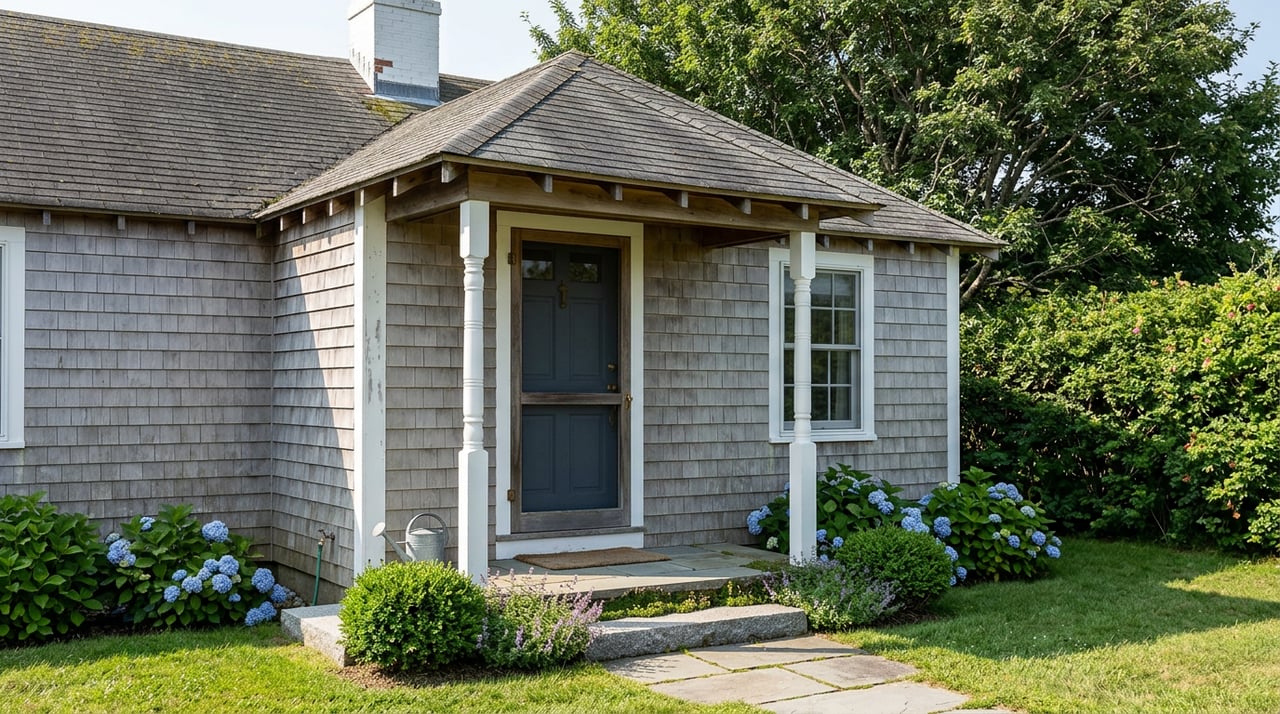
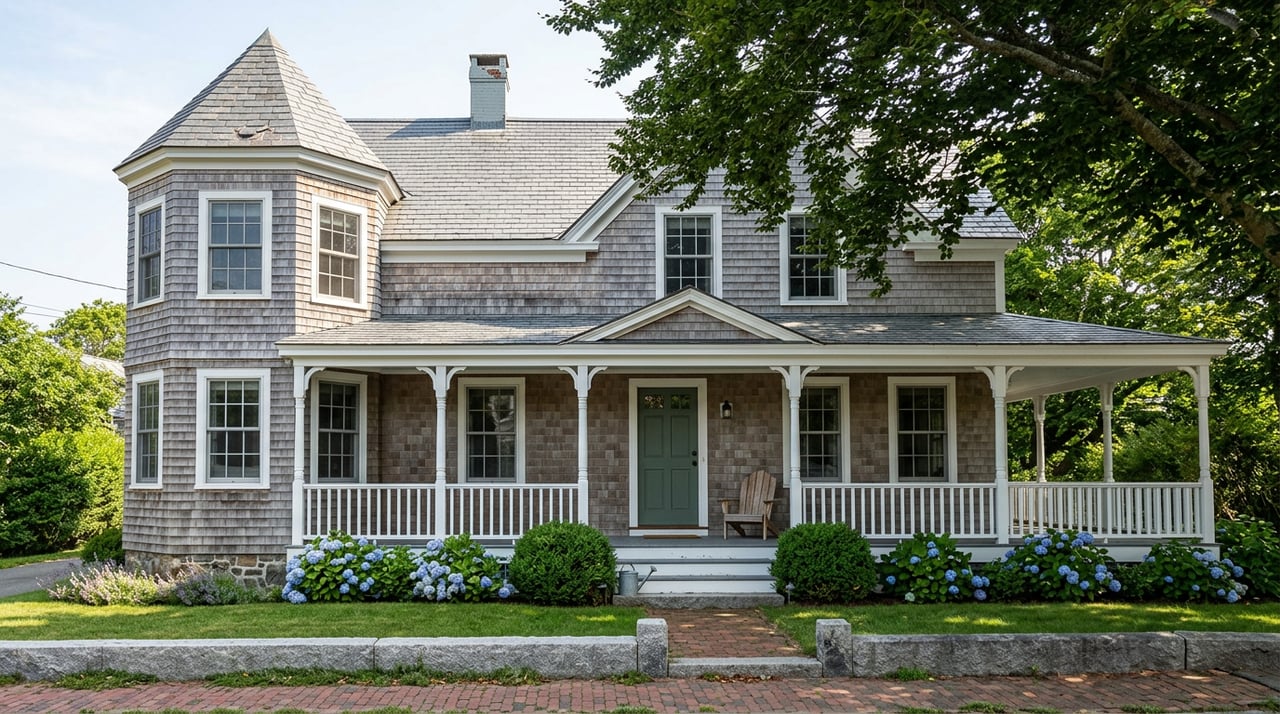
This setting also supports a broad range of property types. You may find renovated farmhouses, detached single-family homes on larger parcels, and older seasonal residences that have since become full-time homes. On and near Easton’s Point, the town notes that many older homes were originally built for seasonal use before transitioning to year-round occupancy.
For buyers, this means Middletown offers more than one version of coastal ownership. Some properties lean into open-land character and privacy, while others are shaped by beach access, established neighborhoods, or a long history of seasonal use. That variety is part of what keeps the market interesting and structurally scarce.
Why Scarcity Matters Here
Middletown’s housing stock is relatively mature, which adds to its long-term appeal. The town plan places the median build year at 1969 and notes that most construction occurred between 1950 and 1999. It also points to comparatively few net-new units since 2000 and almost none in the past decade.
That limited pace of new construction has real market effects. In a coastal town where land is finite, a thin pipeline of new homes tends to keep attention focused on existing properties, especially those with larger lots, renovation quality, or favorable location. For sellers, that can support value. For buyers, it means the best opportunities often require patience and a clear strategy.
Middletown Market Trends To Watch
Recent data shows meaningful price growth in Middletown. The town’s housing plan reports a median single-family sale price of $675,000 in 2022, which was up 48% from 2017. It also notes that higher-priced homes had been rising faster since 2020.
By April 2026, Rhode Island Association of REALTORS® MLS data showed Middletown’s median single-family sale price at $824,000, based on 10 sales, with average days on market of 40. That is a small sample, so it should be read carefully, but it still gives you a useful snapshot of current momentum in a thin, high-value market.
Listing data offers another angle. A May 2026 market snapshot showed Middletown with a median listing price of $862,450, compared with $1.265 million in Newport and $874,500 in Portsmouth. Read together, these numbers suggest that Middletown often serves buyers who want island access and coastal character at price points that may sit below Newport’s highest tier.
What Price Bands Look Like
Active listings in the 02842 market help frame the range buyers may encounter. Current search results showed listings stretching from roughly the high-$500,000s to $6.245 million. Within that spread, you can see sub-$800,000 homes, larger-lot properties around $1 million to $1.5 million, and luxury coastal offerings above $2 million.
This is not a fixed pricing rule, but it is a useful way to think about the market. Typical single-family demand appears anchored in roughly the upper-$700,000s to mid-$800,000s, while waterfront and legacy-estate properties extend far above that level. If you are comparing options in Middletown, it helps to separate everyday single-family demand from the much smaller and more specialized luxury segment.
Who Is Buying In Middletown
Middletown supports more than one buyer profile, and that diversity strengthens the market. Census data shows a median household income of $101,948, an owner-occupied rate of 57.9%, and a bachelor’s-degree-or-higher rate of 47.4%. Those figures support a solid pool of primary-home demand from established households, relocators, and downsizers.
At the same time, seasonal demand plays an important role. The town’s housing plan says Middletown had 603 housing units classified as seasonal, recreational, or occasional use, and that more than half of all vacant units fell into that category. The town describes this as part of a long-running pattern of second-home and short-term-rental ownership.
Taken together, that points to two major buyer tracks. One is the year-round buyer who wants coastal livability, larger lot options, and easy access to the wider Newport area. The other is the seasonal owner or investor who values beach access, occasional use, and the potential for a property to serve multiple lifestyle goals.
What This Means For Buyers
If you are buying in Middletown, clarity matters. The first question is not simply budget. It is whether you want a primary residence, a seasonal retreat, or a property that may support part-time personal use with an income component.
Your answer affects almost everything else, including location, lot size, carrying costs, and how much weight you place on proximity to beaches or open land. In Middletown, two homes with similar asking prices can serve very different ownership goals. That is why a more tailored search often works better than a broad one.
It is also wise to plan around limited inventory. Recent snapshots showed about 58 homes for sale in Middletown, while April 2026 MLS data reflected only 10 single-family sales. In a market this thin, standout properties can attract fast attention, even when the broader county picture looks balanced on paper.
What This Means For Sellers
For sellers, Middletown rewards thoughtful positioning. Buyers are often comparing your property not only against other Middletown listings, but also against alternatives in Newport and Portsmouth. Pricing needs to reflect that wider island context.
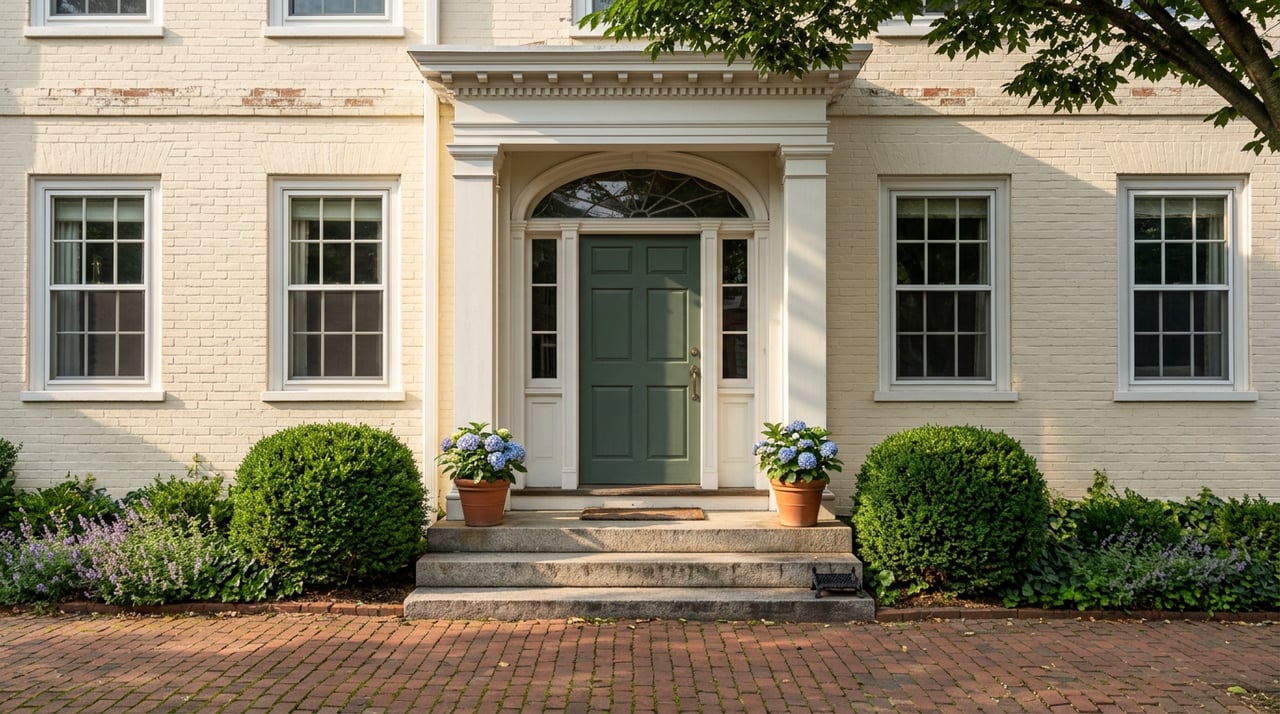
The strongest listings usually tell a clear story. In Middletown, that story may center on parcel size, renovation quality, coastal proximity, legacy character, or the flexibility to serve as a year-round or seasonal home. When supply is limited and buyer expectations are high, presentation and property narrative can carry real weight.
Carrying costs also deserve attention. Middletown’s fiscal 2026 residential tax rate is $9.064 per $1,000 of assessed value for residents and $11.785 for non-residents, and the town says a full 2026 revaluation is underway. For some buyers, especially second-home purchasers, future tax sensitivity may shape how they evaluate price and long-term affordability.
The Middletown Opportunity
What keeps Middletown compelling is not any single feature, but the way several factors work together. The town combines beaches and coves with semi-agricultural land, a mature housing stock, limited new supply, and a buyer pool that includes both full-time residents and seasonal owners. That mix tends to preserve scarcity where larger parcels, renovated legacy homes, and coastal settings overlap.
If you are approaching Middletown with a long view, that context matters. Buyers can use it to identify which properties are truly differentiated. Sellers can use it to position their homes with the level of care the market expects.
For tailored guidance on buying, selling, or evaluating a seasonal property in Middletown, you can request a private consultation with ONE Residential.
FAQs
What makes Middletown, Rhode Island different from nearby Newport and Portsmouth?
- Middletown often appeals to buyers who want Aquidneck Island access, coastal amenities, and larger-lot or lower-density settings, while median listing prices have recently tracked below Newport and close to Portsmouth.
What is the current home price range in Middletown, Rhode Island?
- Recent active listings in the 02842 market ranged from roughly the high-$500,000s to $6.245 million, with many typical single-family homes clustered around the upper-$700,000s to mid-$800,000s.
Is Middletown, Rhode Island mainly a primary-home market or a second-home market?
- It supports both, with data showing a solid owner-occupied base and a notable number of seasonal, recreational, or occasional-use housing units.
Why do estate-style properties in Middletown, Rhode Island hold value?
- Limited new construction, mature housing stock, finite coastal land, and demand for larger parcels or legacy homes all contribute to long-term scarcity.
What should sellers know about pricing a home in Middletown, Rhode Island?
- Sellers should price with nearby Newport and Portsmouth in mind, while also accounting for their property’s lot size, condition, location, and appeal to either year-round or seasonal buyers.
What should buyers know about property taxes in Middletown, Rhode Island?
- For fiscal 2026, the residential tax rate is $9.064 per $1,000 of assessed value for residents and $11.785 for non-residents, and the town has said a full 2026 revaluation is underway.