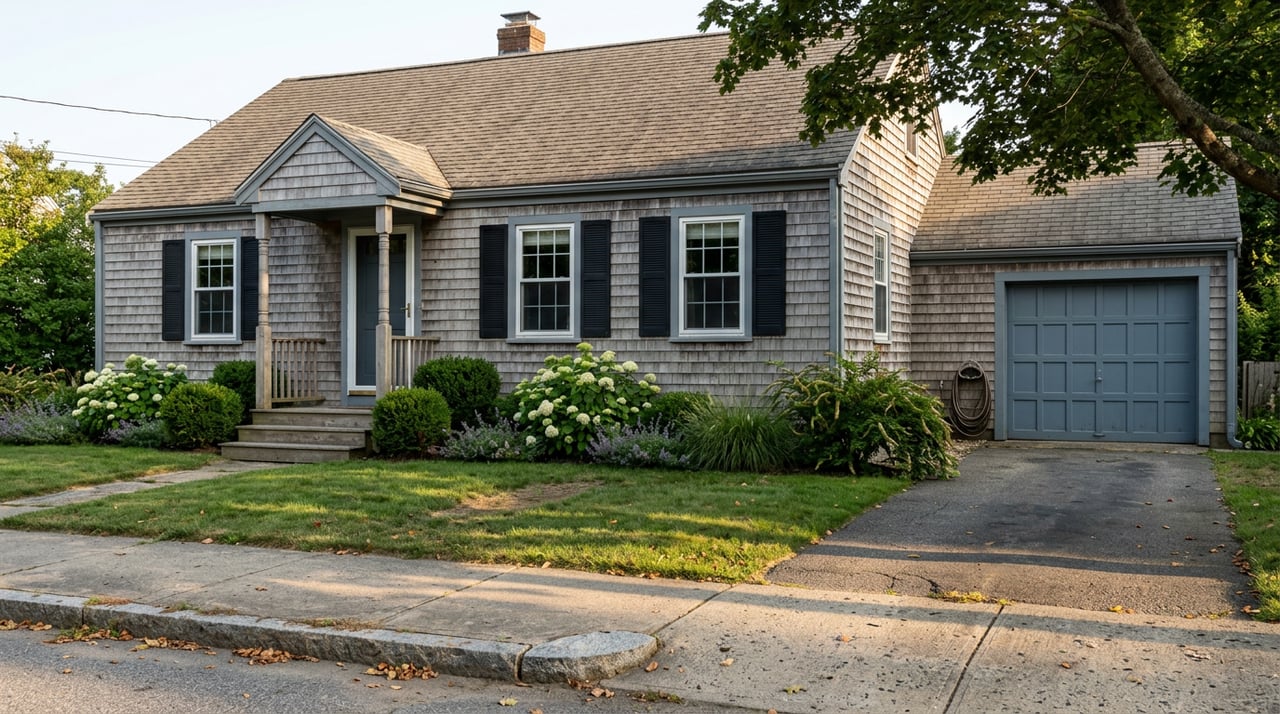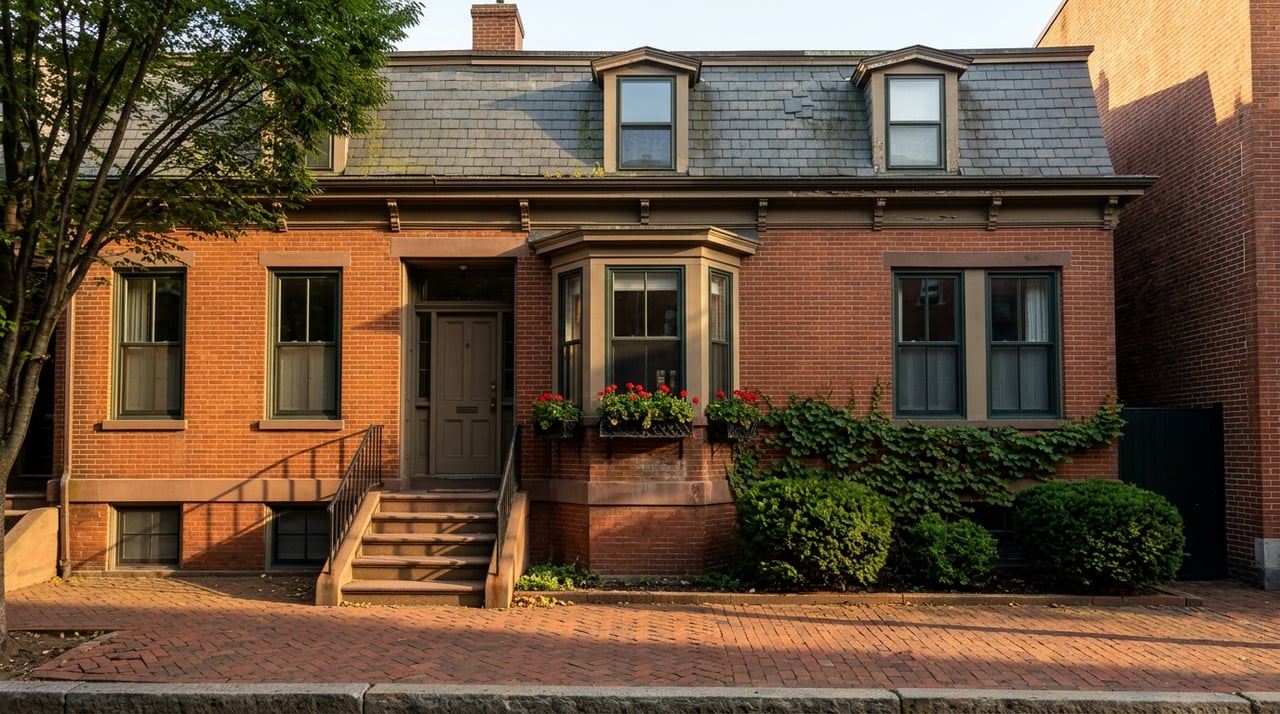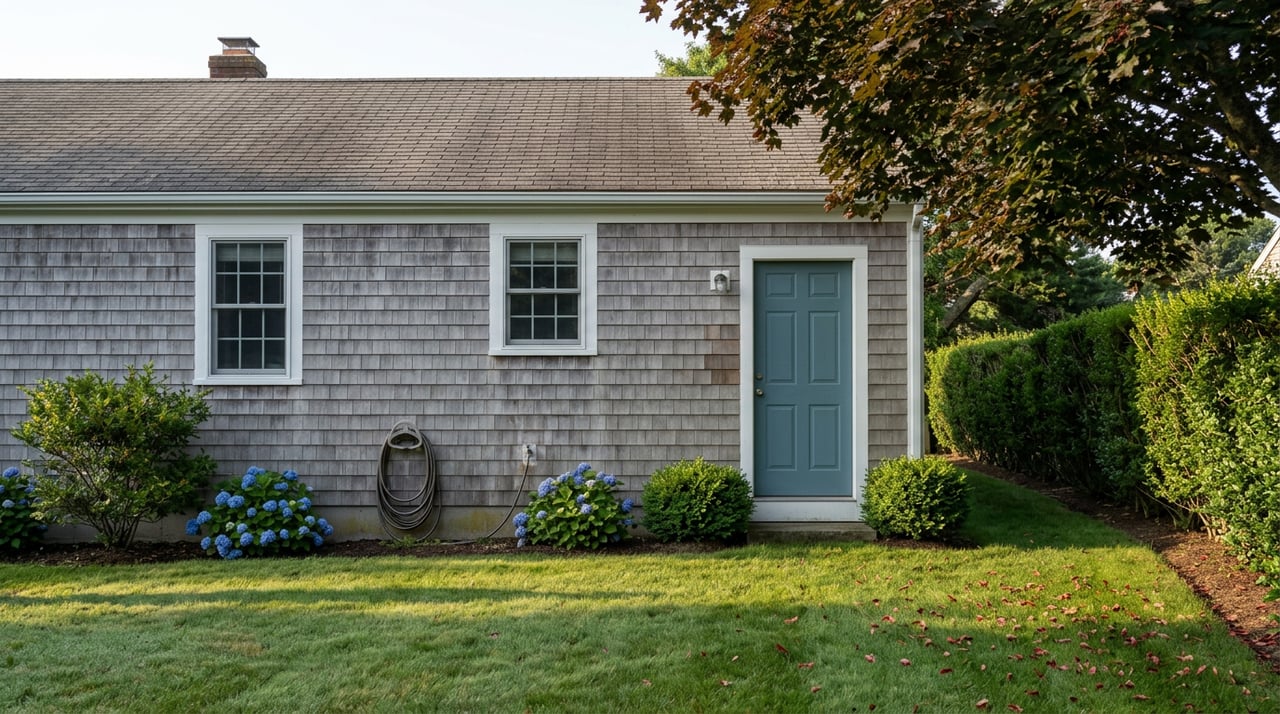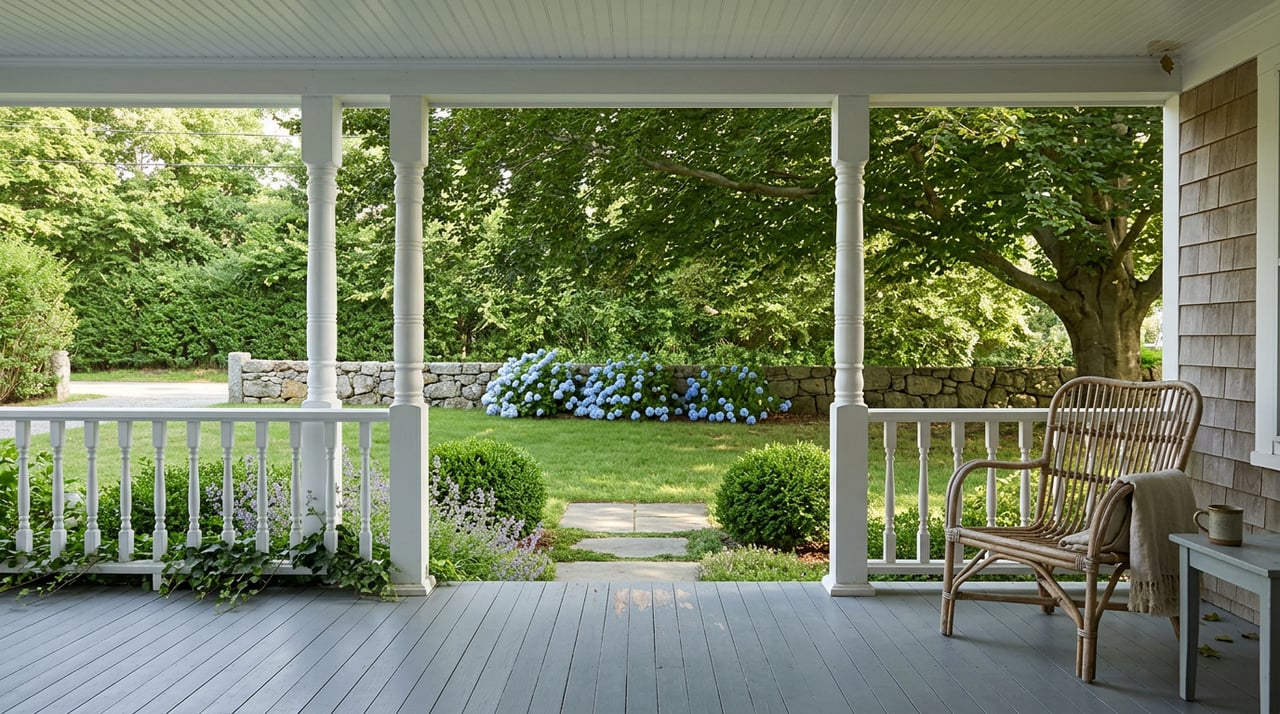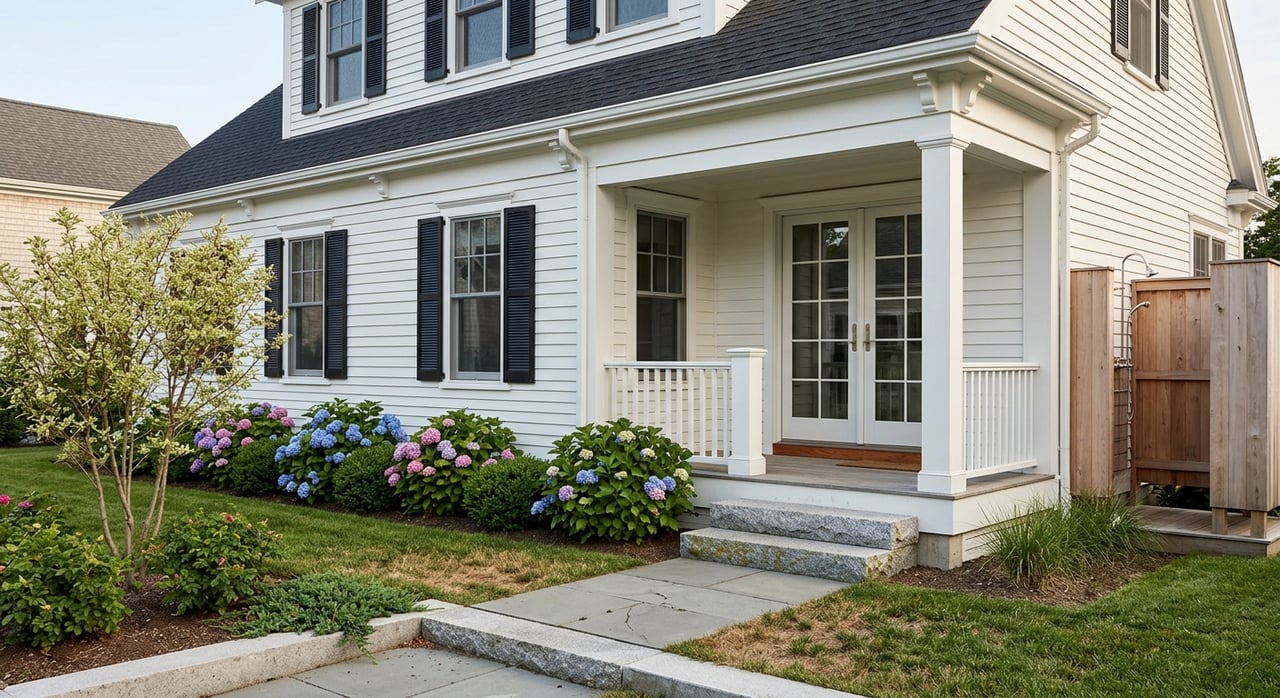
If you are thinking about buying a vacation home on Block Island, you are not looking at a typical beach-market play. New Shoreham offers rare coastal property, limited land, and a visitor season that can create strong rental interest in a relatively short window. To make a smart move, you need to understand not just price, but access, regulations, taxes, and the day-to-day realities of owning on an island. Let’s dive in.
Why Block Island Is Different
New Shoreham covers about 9.734 square miles, with more than 17 miles of coastal beach, more than 30 miles of walking trails, and two man-made harbors. Just as important for buyers, the town notes strong conservation outcomes, and the Block Island Land Trust says 46.1% of the island’s 6,076 land acres was preserved open space as of 2024. That preserved land base helps explain why available housing supply can stay tight over time. You can review the town’s overview of New Shoreham for more context.
For you as a buyer, that means scarcity is part of the story. Even when market trackers show different numbers, they point in the same direction: limited inventory and premium pricing. Realtor.com reported 26 active listings and a December 2025 median home price of $3.8 million in New Shoreham, while Zillow and Redfin also reflected a small, high-value market in early 2026 through different metrics and reporting windows.
Start With a Purchase Strategy
A Block Island purchase works best when you treat it as both a lifestyle decision and an operating asset. You may want personal use, rental income, or a blend of both, but your buying criteria should match that goal from the start. On the island, a beautiful home is only part of the equation.
Because supply is structurally limited, you should be ready to evaluate opportunities quickly and carefully. In a market like this, property-specific factors often matter more than broad averages. Access, septic capacity, bedroom count, and how easily the home can be managed during guest stays can directly affect future use and rental flexibility.
Underwrite Closing Costs Early
Closing costs can be especially meaningful in a high-value market like New Shoreham. The Block Island Land Trust fee charges the purchaser 3% of the purchase price on all property transactions in New Shoreham. Rhode Island’s conveyance tax also increased to $3.75 per $500 on and after October 1, 2025, with an additional $3.75 per $500 for residential consideration above $800,000.
For you, that means acquisition costs should be modeled early, not treated as a minor line item. On a multimillion-dollar purchase, these charges can materially affect your total cash needed at closing. A disciplined underwriting approach helps you evaluate the real cost of ownership before you move forward.
Focus on Use-Case Fit
Not every island property will support the same ownership plan. If you expect to rent the home for short stays, you should pay close attention to practical items such as parking, ease of arrival, and septic design capacity. Those details can shape occupancy limits, guest experience, and operational ease.
If your goal is mostly personal use, those same factors still matter. Ferry schedules, road conditions, and seasonal service patterns can influence how effortless the home feels for you, your family, and your guests. The right purchase is often the one that aligns with how you actually plan to live with the property.
Build a Realistic Rental Plan
Block Island rental demand is closely tied to leisure travel, not year-round commuter demand. The Block Island Tourism Council events calendar and town information both point to a busy summer and early fall season, with peak visitor activity generally running from May through October. That seasonal concentration can create opportunity, but it also means your revenue window may be narrower than in a mainland market.
A successful rental strategy usually starts with realistic seasonality assumptions. Peak months may carry the most demand, while shoulder-season bookings may depend more on holidays, special events, and the limited number of hospitality businesses that remain open. You should plan for uneven occupancy rather than a steady twelve-month rental pattern.
Design for Arrival and Turnover
Because access is ferry-first, guest logistics are a core part of the rental experience. According to Block Island Ferry transportation information, year-round service runs from Point Judith, high-speed service typically operates mid-May through mid-October, and vehicle ferry reservations must be made by phone. New England Airlines also offers daily year-round service from Westerly.
That means your rental product should be easy to arrive at and easy to understand. Clear arrival instructions, parking guidance, check-in communication, and realistic transportation planning can help reduce guest friction. On Block Island, hospitality starts before guests ever reach the front door.
Plan Around Island Conditions
The operating environment on the island is distinct. The New Shoreham police department notes that roads are narrow, many are unpaved, most are shared by cars, mopeds, bicycles, and pedestrians, and the speed limit is 25 mph. The town also notes that alcohol is prohibited on beaches and that open-container laws are enforced elsewhere, which makes house guidance and local rules part of responsible hosting.
For you as an owner, these details are not minor. They affect how you communicate with guests, how you schedule service providers, and how smoothly turnovers happen during the busiest months. A polished rental experience on Block Island is usually the result of strong planning, not just strong décor.
Understand the Short-Term Rental Rules
Before you purchase with rental income in mind, you should understand New Shoreham’s local ordinance. The town’s short-term rental ordinance defines a short-term rental as a rental period of 30 days or less. Owners must register annually before any renter occupies the dwelling, pay a $200 fee, and include the registration number in all public postings.
Occupancy is capped at two people per bedroom and cannot exceed the property’s septic or OWTS design capacity. The owner must also designate a local representative who is physically present in New Shoreham during rental periods and able to respond to town officials within two hours. Violations can be fined up to $200 per day.
Why Local Management Matters
These requirements make local oversight especially important. The local representative rule alone means you need on-island operational support during active rental periods. For many buyers, that turns management from a convenience into a necessary part of the ownership structure.
At the state level, Rhode Island also requires short-term rentals listed on a third-party hosting platform doing business in the state to be registered with the Department of Business Regulation. The DBR short-term rental guidance also says that, effective January 1, 2026, hotel employees and short-term rental property operators must receive annual human-trafficking awareness training. These are not details to sort out after closing. They should be part of your purchase planning.
Model 2026 Rental Taxes Carefully
If you plan to rent a whole home for stays of 30 days or fewer, tax modeling is essential. Rhode Island states that for occupancy on or after January 1, 2026, whole-home short-term rentals are subject to a 7% sales tax, a 2% local hotel tax, and a 5% whole-home short-term rental tax. According to the state’s short-term rental tax notice, those taxes apply to gross receipts, including cleaning and booking fees, and are based on the occupancy date rather than the booking date.
For you, the practical takeaway is simple: not all top-line rental revenue is yours to keep. These taxes are treated as trust-fund taxes, not owner profit, so net revenue analysis matters more than gross booking estimates. If you are comparing properties, this can materially change which home performs best on paper.
What to Inspect Before You Buy
On Block Island, diligence should go beyond finishes and views. A property may be visually compelling but still pose limitations for access, guest turnover, or occupancy. Looking closely at operational details can help you avoid costly surprises later.
Your review should include:
- Access to the home and parking practicality
- Bedroom count in relation to septic or OWTS design capacity
- Ease of arrival for owners, guests, and vendors
- Feasibility of having a qualified local representative during rental periods
- How the home’s layout supports cleaning, maintenance, and turnover efficiency
These points flow directly from the town’s rental rules, ferry logistics, and island operating conditions. In this market, due diligence is not just about protecting value. It is also about preserving flexibility.
A Smarter Ownership Approach
The strongest Block Island strategy is usually balanced rather than aggressive. You may enjoy the home personally during key weeks, rent it during high-demand periods, and build systems that protect both guest experience and property condition. That kind of measured plan is often better suited to the island than a high-volume approach.
Because New Shoreham is supply-constrained, operationally specific, and highly seasonal, a good purchase is often one you can own well over time. That means buying with clear eyes, underwriting carefully, and setting up support that reflects the realities of island ownership. If you want a vacation home that works beautifully for both personal use and rental income, strategy matters just as much as location.
If you are considering a Block Island purchase and want a more tailored view of acquisition strategy, seasonal use, and concierge management, ONE Residential can help you evaluate the opportunity with the discretion and care this market deserves.
FAQs
What makes Block Island vacation homes different from mainland vacation rentals?
- Block Island combines limited developable land, ferry-dependent access, narrow roads, and a strongly seasonal visitor pattern, which creates a more supply-constrained and operations-heavy ownership environment.
What are the New Shoreham short-term rental rules for vacation homes?
- In New Shoreham, short-term rentals are stays of 30 days or less, require annual registration and a $200 fee, must include the registration number in public postings, and must comply with occupancy, septic, and local representative requirements.
How many guests can stay in a Block Island short-term rental home?
- New Shoreham limits occupancy to two people per bedroom, and the number of permitted bedrooms cannot exceed the property’s septic or OWTS design capacity.
What taxes apply to Block Island whole-home short-term rentals in 2026?
- For occupancy on or after January 1, 2026, Rhode Island says whole-home short-term rentals are subject to 7% sales tax, 2% local hotel tax, and 5% whole-home short-term rental tax on gross receipts, including cleaning and booking fees.
What should you inspect before buying a Block Island vacation home?
- You should closely review access, parking, bedroom count, septic or OWTS capacity, and whether the property can be managed locally in a way that satisfies the town’s response-time and rental compliance requirements.