You can wake to the Sakonnet River out your window or unwind under wide open country skies in the same town. In Portsmouth, you do not have to choose between water and land—you can find both. If you are weighing a shoreline cottage against a private acreage or equestrian setup, this guide will give you the lay of the land, key rules for boats and docks, tools to understand flood risk, and current pricing context. Let’s dive in.
Portsmouth at a glance
Portsmouth anchors the north end of Aquidneck Island and combines long stretches of shoreline with rural acreage and conservation land. The town’s planning documents describe an intentional mix of coastal neighborhoods and interior farmland that frames where growth and estate living make sense. You will find classic cottages, renovated waterfront homes, and larger lots inland for privacy and recreation. To see how the town maps land use and conservation areas, review the Portsmouth Comprehensive Community Plan.
Many local listings note a short drive to Newport and island amenities. Actual travel time varies by neighborhood and season, so confirm timing from the specific property.
Waterfront enclaves to know
Common Fence Point and Bristol Ferry
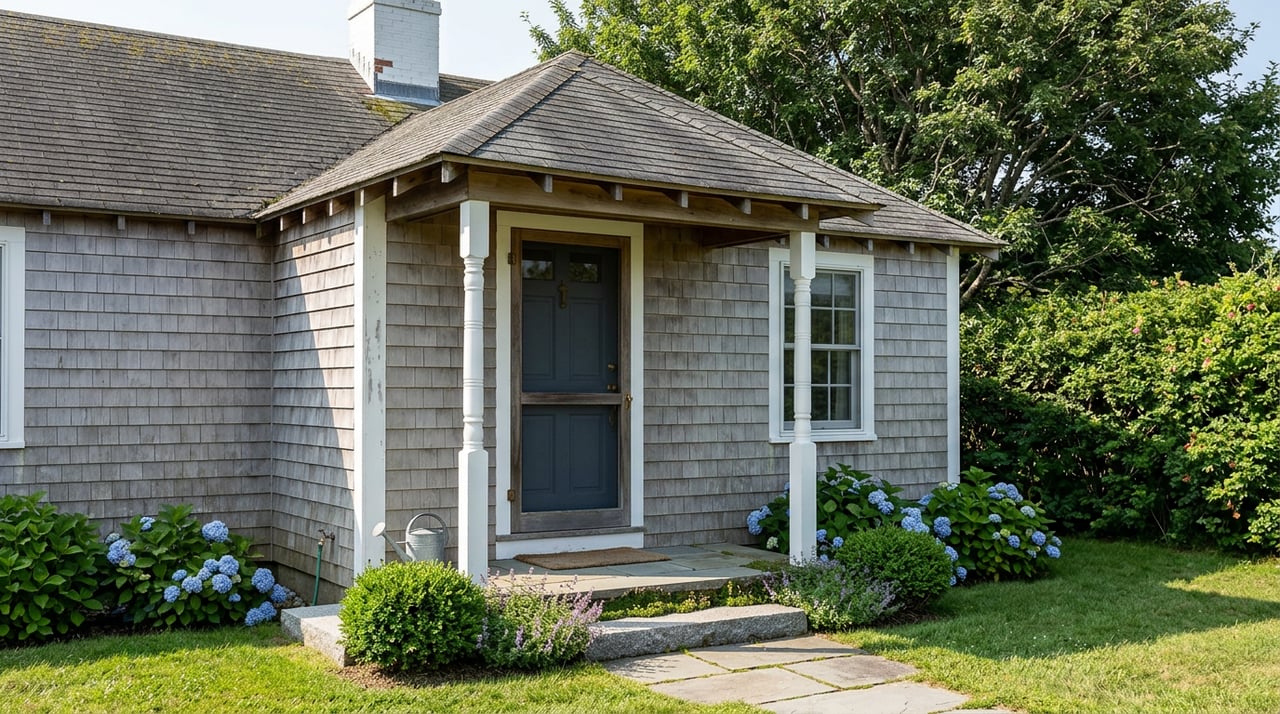
These neighborhoods offer sheltered coves, small beaches, and mooring access along the Sakonnet side. Housing ranges from saltbox and Cape-style cottages to renovated, water-oriented homes. Parcels vary, so check each lot’s shoreline features, view corridors, and proximity to neighborhood access points. Buyers value the blend of neighborhood feel and water access here.
Island Park and Melville areas
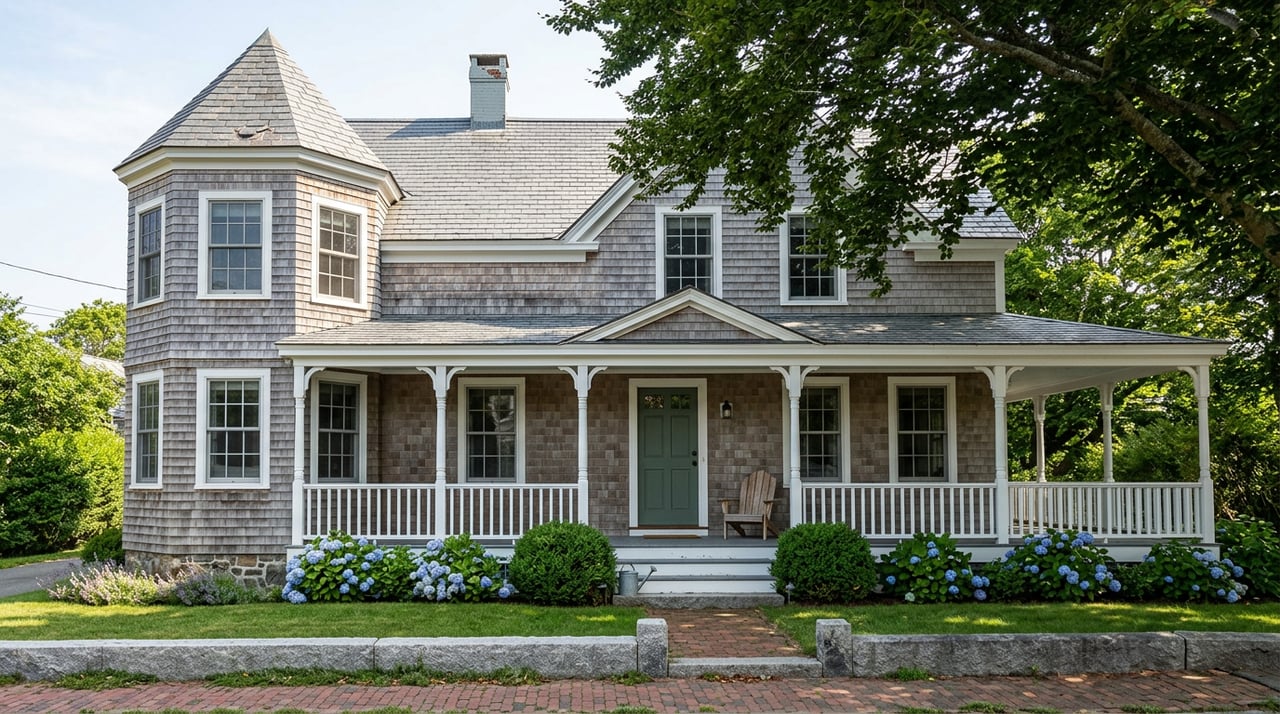
Along the eastern and central shoreline, you will see shoreline cottages, raised homes, and small streets oriented to the water. Some homes offer water views or neighborhood water access rather than direct frontage. Expect a range of vintage cottages and updated properties. Confirm elevation, flood zone, and any prior shoreline permits during due diligence.
Exposed Sakonnet and Mount Hope Bay frontages
Direct waterfront parcels with wide river or bay views are limited and often trade at the top of the local market. Properties with private access, an existing dock or pier, or immediate mooring access tend to command premiums due to scarcity. Where frontage is more exposed, design details and maintenance plans matter for long-term resilience. If you are targeting top-tier views and direct frontage, plan for a competitive process.
Country living and estates
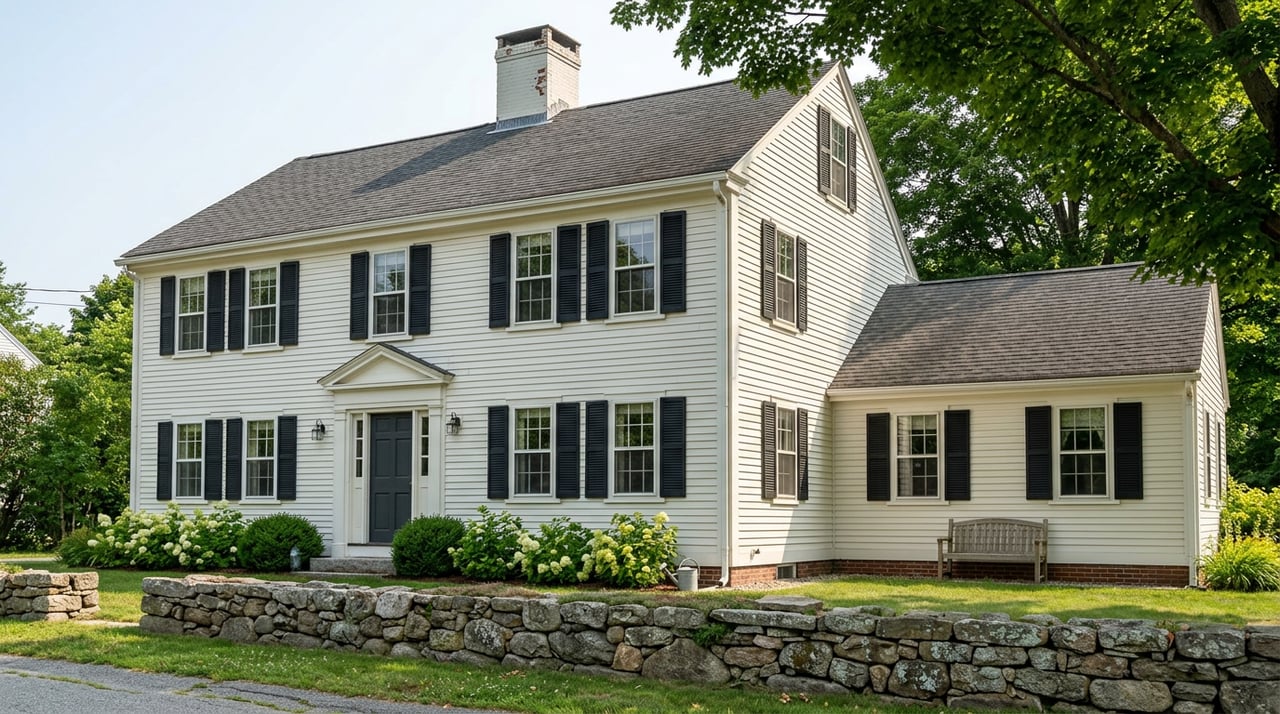
Interior Portsmouth—especially the south and central areas—features larger lots, conserved farmland, and estate-scale properties. Here you will find privacy, room for gardens or fields, and classic New England settings. The town’s planning maps outline soils, agricultural areas, and conservation land that shape where larger-lot development is suitable. For a deeper orientation, consult the Comprehensive Community Plan.
Glen Farm and equestrian properties
Glen Farm is a long-standing equestrian hub with stables and riding facilities, surrounded by a mix of conserved land and privately operated centers. If you are seeking a horse property, expect specialized needs like barns, turnout areas, and trailer access. Some tracts may carry land-use or conservation restrictions, so confirm details early. Learn more about the site’s equestrian heritage at Glen Farm.
Moorings, docks, and permits
Owning near the water brings special privileges and responsibilities. Before you buy, understand how moorings are assigned, what it takes to build or alter a dock, and who regulates projects in tidal waters.
Town moorings: how it works
Portsmouth’s Harbormaster manages about 1,500 moorings, including those around Prudence and Hog Islands. The office oversees annual renewals, vendor inspections, and cove-specific waiting lists where demand is high. Key examples from the program include renewal due by March 15, inspection required every other year with proof typically due by August 1, and new applications accepted after May 15. To review current rules, deadlines, fees, and waiting list status, visit the Portsmouth Harbormaster.
If you plan to keep a boat locally, confirm whether a mooring is assigned, whether a private mooring is legally transferable, and if the property address qualifies for resident rates. Ask for documentation before you submit an offer.
Building or expanding a dock
Coastal projects in Rhode Island are regulated by the state’s Coastal Resources Management Council (CRMC). The CRMC “Red Book” outlines design criteria for residential docks and floats, limits on terminal float areas and buffers, and the review categories for permits. In many water types, rules limit docks to one per lot of record and require projects to address future sea-level conditions using state planning tools. Start with the CRMC standards here: CRMC Red Book standards.
Larger projects such as marinas, dredging, or work that alters tidal lands often require additional approvals from the Rhode Island Department of Environmental Management and the U.S. Army Corps of Engineers. Those reviews can take months and may include public hearings. Build that timing into your purchase and renovation plan.
Riparian rights and reality
Waterfront owners in Rhode Island have common-law riparian rights, but building or expanding a wharf or dock still requires CRMC assent and compliance with state rules. Courts have affirmed CRMC’s primary role in authorizing docks in tidal waters. For context, see a referenced Rhode Island Supreme Court case on riparian regulation at Justia. If a dock is essential to your use, verify any existing CRMC assents on record and whether the lot qualifies as a “lot of record” under current standards. You can review a related state rule excerpt on lots of record at Regulations Justia.
Flood, sea-level rise, and coastal risk
Mapping your risk with state tools
Rhode Island directs use of STORMTOOLS for visualizing inundation at the structure level under different sea-level and storm scenarios. CRMC uses these tools, along with NOAA planning curves, when reviewing coastal permits and design elevations. Before you buy, run the property through the tool and review outputs for near-term storm surge and longer-term sea-level change. Read more about STORMTOOLS through CRMC’s overview of the resource here.
Insurance and building rules
Portsmouth’s floodplain regulations reference the Newport County FEMA Flood Insurance Rate Maps and treat FEMA Base Flood Elevations as regulatory inputs. Where CRMC or STORMTOOLS indicate higher design elevations than FEMA, the local ordinance allows those higher values to guide design. If the property lies in a FEMA Special Flood Hazard Area, expect elevation requirements and likely mandatory flood insurance. Review the town’s code references at Portsmouth floodplain regulations.
Pricing and competition in 2026
As of January 2026, Redfin reports a median sale price in Portsmouth near about 782 to 783 thousand dollars. Zillow’s value index for local submarkets indicates a broader range around 650 to 670 thousand dollars, depending on location and date. Treat these as directional and verify the latest figures before you set your budget.
Recent waterfront sales illustrate the premium. A direct Sakonnet River frontage property closed in 2025 for roughly 2.1 million dollars. Smaller shoreline or water-view homes and cottages often trade in the 600 to 900 thousand dollar range, depending on size, improvements, and water access rights. Scarcity of shoreline parcels and limited mooring availability tend to drive competition for well-sited homes.
Buyer due diligence checklist
Use this list to streamline your evaluation and protect your investment.
- Moorings: Confirm if a town mooring is assigned, transferable, or waitlisted. Note program timing such as renewal by March 15 and inspection every other year. Start with the Portsmouth Harbormaster.
- Docks and shoreline structures: Request copies of any CRMC assents, DEM Water Quality Certificates, and Army Corps correspondence for docks, piers, bulkheads, or revetments. Review the CRMC Red Book standards for design and category guidance.
- Lot of record status: If you plan a dock, verify whether the parcel is a qualifying lot of record and whether a dock already counts toward a one-dock rule. See a related excerpt at Regulations Justia.
- Flood and sea-level risk: Run the address through STORMTOOLS and pull FEMA FIRM panels. Start with CRMC’s summary of STORMTOOLS and review the town’s floodplain regulations.
- Wastewater: Many properties use on-site systems. Near sensitive waters, expect heightened standards aimed at reducing nitrates. Ask for recent inspections, permits, and system design documents; CRMC standards incorporate water-quality protections in coastal areas at the Red Book.
- Taxes and assessments: Check assessment history and confirm timing of revaluation efforts that set market values. Contact the town via Tax Assessment & Collections.
- Zoning and buildability: Verify setbacks, height limits, and district rules with the Planning and Zoning team before you plan additions or accessory structures. See the town’s Zoning Information.
- Conservation and easements: Ask about shoreline easements, conservation restrictions, and historic stabilization work. The Comprehensive Community Plan is a helpful reference for conservation context.
- Equestrian specifics: For horse properties, confirm any farm exemptions, barn setbacks, turnout areas, and trail access, and check whether conservation or agricultural restrictions apply. Cross-reference with the town plan’s agriculture and soils maps.
How ONE Residential helps
Choosing between water and land in Portsmouth is not just about a view or an acreage count. It is about rights, resilience, and long-term value. Our team pairs deep local knowledge of coastal permitting and flood tools with the discretion and advocacy you expect in a boutique setting. We coordinate with town and state offices, vet mooring and dock records, and map risk so you can purchase with clarity. For second-home buyers, we can also advise on seasonal use and care.
If you are beginning your search, we will help you refine criteria, surface opportunities, and negotiate with a strategy grounded in place and data. Ready to explore Portsmouth waterfront and countryside homes with a trusted local advisor? Connect with ONE Residential to Request a Private Consultation.
FAQs
What is the key difference between Portsmouth waterfront and countryside homes?
- Waterfront properties offer shoreline access and views but come with mooring, dock, and flood considerations; countryside homes trade direct water access for acreage, privacy, and potential equestrian uses.
How do mooring permits work in Portsmouth, RI?
- The Harbormaster manages moorings, with annual renewals, inspection requirements, and cove waitlists; review deadlines and availability with the Portsmouth Harbormaster before you buy.
What should I know before planning a dock on the Sakonnet River?
- Docks require CRMC assent and must meet Red Book standards that include design limits and sea-level planning; larger projects may also need DEM and Army Corps approvals.
How can I check flood and sea-level risk for a property?
- Use CRMC’s STORMTOOLS to visualize inundation scenarios and review FEMA Flood Insurance Rate Maps; confirm local elevation and building rules in Portsmouth’s floodplain regulations.
Are there special steps for buying an equestrian property near Glen Farm?
- Yes; verify barn setbacks, turnout areas, trail access, and any agricultural or conservation restrictions, and consult the town plan for soils and agriculture maps.
How competitive is the market for Portsmouth waterfront homes?
- Scarcity of shoreline parcels and limited moorings create competition for well-sited waterfront homes, with recent direct-frontage sales showing significant premiums over inland properties.