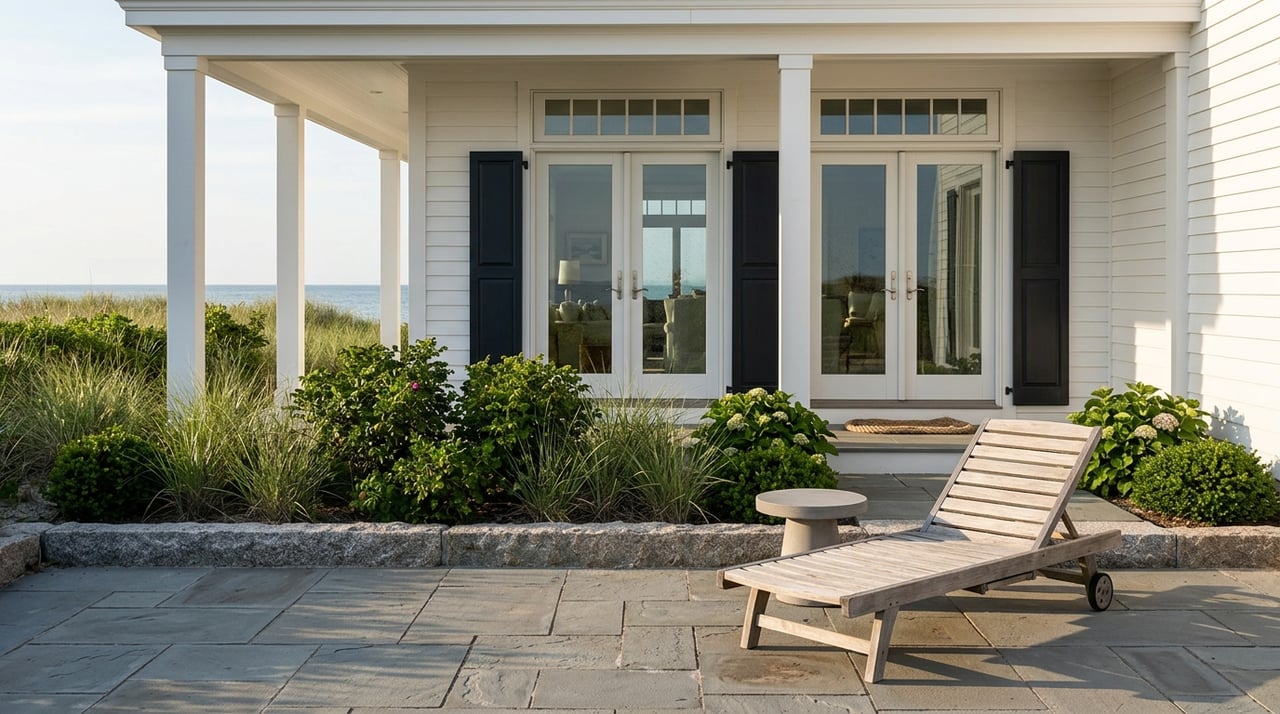
If you are preparing to sell an oceanfront home in Westerly, you are not entering a typical residential sale. You are marketing a coastal asset where views, access, privacy, flood risk, permits, and property history can shape buyer confidence just as much as the home itself. With the right preparation, you can position your property more clearly, reduce avoidable friction, and appeal to the buyers most active in this market. Let’s dive in.
Understand Westerly's oceanfront buyer pool
Westerly is not a one-size-fits-all market, especially along the shore. A 2024 housing study found that 17% of local housing was used seasonally or for vacation use in 2022, and short-term rentals increased 34% from 2021 to 2023. The same report showed a sharp price gap between Westerly overall and top coastal enclaves, with 2023 median home prices at $2,167,751 in Watch Hill and $2,350,000 in Weekapaug, compared with $499,000 townwide. According to the Westerly housing market study, that points to a buyer pool that often includes second-home purchasers, affluent primary buyers, and in some cases investors.
For you as a seller, that matters because your marketing should reflect how buyers evaluate a coastal home. In many cases, they are weighing water views, outdoor living, boating or beach access, and ease of ownership more heavily than square footage alone. A strong listing strategy speaks to lifestyle, but it also supports that story with facts.
Prepare disclosures early
For a Westerly oceanfront sale, organization is not optional. Rhode Island requires sellers to deliver a written disclosure of all known deficient conditions before signing an agreement to transfer real estate, and the purchase agreement must acknowledge that the completed disclosure was provided. The law is outlined by the Rhode Island General Assembly.
For coastal properties, the disclosure form is especially detailed. It addresses items such as septic systems or cesspools, private wells, easements and encroachments, conservation restrictions, zoning, permits, flood plain or flood insurance, wetlands, rental income, lead paint, mold, and moisture penetration. For shoreline homes, the statute also requires disclosure of known public rights of way and any CRMC permits in the seller's possession, as shown in the state disclosure requirements.
Gathering these materials before you list can save time later. It also helps present your home as a well-documented property rather than one buyers need to decode mid-transaction.
Build a coastal property file
A practical pre-listing file for an oceanfront home may include:
- Flood map or FEMA FIRM reference
- Elevation certificate, if available
- Current insurance declarations
- CRMC permits and related records
- Survey and easement documents
- Septic, cesspool, or on-site sewage records
- Private well test results, if applicable
- Lead reports for homes built before 1978
- Short-term rental registration records, if applicable
This kind of file aligns closely with Rhode Island's disclosure form and Westerly's local rules. It also helps serious buyers and their advisors move more confidently once interest develops.
Address flood and insurance questions upfront
Oceanfront buyers in Westerly will almost always ask about flood exposure and insurance. The town notes that FEMA has identified flood zones A, AE, AE Floodway, and VE in Westerly, and these are all within the Special Flood Hazard Area. The town also notes that many homeowners policies do not include flood protection, which makes separate flood coverage an important part of the ownership picture. You can review that on the Town of Westerly flood protection page.
FEMA adds another important detail. In high-risk flood areas, homes with government-backed mortgages are required to carry flood insurance, and most NFIP policies have a 30-day waiting period unless an exception applies. FEMA also notes that an elevation certificate may be needed in high-risk Zone A or Zone V coastal areas, according to its flood insurance guidance.
As a seller, you do not need to eliminate every concern. You do need to answer reasonable questions clearly. If you already have flood-related documents, insurance information, or an elevation certificate, making them available early can reduce uncertainty and help buyers underwrite the purchase more realistically.
Be precise about erosion and shoreline rules
Sophisticated waterfront buyers often look beyond the house itself. They want to understand how the site sits, what can be improved in the future, and what coastal regulation may affect the property over time.
Westerly's hazard planning materials state that the town is among Rhode Island communities most vulnerable to climate change and sea-level rise. Its coastal erosion resources also note that shoreline loss can occur in a matter of days or hours during strong tides, heavy winds, or large waves, including in monitored areas such as Watch Hill and the Weekapaug Breachway and Headland. Those conditions are summarized in the town's hazard mitigation resources.
State coastal rules matter too. The Rhode Island Coastal Resources Management Council says that construction or alteration on a shoreline feature, or within 200 feet of one, requires a CRMC permit. CRMC also says new shoreline structures must meet setback rules, including a minimum setback of 50 feet and erosion-based setbacks tied to the average annual erosion rate. You can review those standards in the CRMC coastal property guidance.
If your home has a seawall, revetment, bulkhead, or another protection structure, collect any available permits, installation dates, and maintenance records. CRMC notes that these structures are regulated and may not protect property under all storm conditions, as explained in its shoreline protection guidance.
Market privacy accurately
Privacy is a major selling point for many oceanfront homes, but coastal marketing has to be accurate. Rhode Island's shoreline access law provides public lateral access up to 10 feet landward of the visible high tide line. Separately, the seller disclosure statute requires shoreline sellers to disclose known public rights of way and provide CRMC permits in their possession. Those rules are outlined in the Rhode Island shoreline access guidance.
That means your listing should be thoughtful in how it describes exclusivity. You can absolutely highlight setting, orientation, and the feel of a private retreat. What you should avoid is language that suggests total private control of the shoreline if that is not supported by law.
Position the home for Westerly's likely buyers
Because Westerly has a meaningful seasonal-home share and growing short-term rental activity, your home should be marketed to the right buyer segments. In practical terms, that often means presenting the property in ways that resonate with:
- Primary buyers seeking year-round coastal living
- Second-home buyers looking for a retreat and legacy asset
- Short-term-rental buyers, only if the property is legally usable that way
This matters because each group values the home a little differently. A primary buyer may focus on ownership costs and resilience. A second-home buyer may care more about arrival experience, guest accommodations, and ease of maintenance. An investor-minded buyer may want to understand local registration rules and compliance history.
Clarify short-term rental status
If your home has been used as a short-term rental, documentation matters. Westerly defines a residential-zone short-term rental as occupancy for fewer than 28 consecutive calendar days and requires annual registration. The town also ties short-term rentals to local ordinances covering noise, parking, litter, peace and good order, and solid waste, which you can review on the Westerly short-term rental registration page.
If your property has a history of compliant use, that can be relevant to a buyer considering seasonal income. If it does not, the marketing should not imply otherwise. The key is to present legal use and operating history carefully, with supporting records when available.
Stage the home around the view
Oceanfront staging should support the architecture and the setting, not compete with them. According to the National Association of Realtors 2025 staging report, 29% of agents said staging increased dollar value offered by 1% to 10%, 49% said staging reduced time on market, and 83% of buyers' agents said staging made it easier for buyers to visualize the property as a future home.
For a Westerly waterfront listing, that usually means keeping window lines open, reducing visual clutter, and making sure decks, terraces, and outdoor seating areas show clearly. Buyers are often buying the experience of the property as much as the structure itself. Your presentation should make that experience easy to understand in person and online.
Focus staging on these details
- Keep furniture scaled to preserve sightlines
- Minimize decor that distracts from water views
- Refresh outdoor living areas before photography
- Organize entry and storage areas for seasonal use
- Present the home as easy to arrive at and enjoy
Choose representation with a clean process
In Rhode Island, relationship disclosure is mandatory in real estate transactions, and the Department of Business Regulation notes that teams are not recognized as separate licensed entities under state law. You can review that in the Rhode Island DBR real estate FAQs.
For a high-value oceanfront sale, process matters. Clear agency documentation, careful communication, and senior-level oversight can help keep a complex transaction orderly from launch through closing. That becomes especially valuable when the file includes flood questions, permits, easements, or seasonal-use history.
Selling well means preparing deeply
The best Westerly oceanfront sales are rarely improvised. They are built on clear disclosures, accurate coastal documentation, thoughtful presentation, and marketing that reflects how this buyer pool actually shops. When those pieces come together, your home enters the market with more credibility and fewer avoidable surprises.
If you are considering a sale and want a discreet, highly tailored plan for your oceanfront property, ONE Residential offers a refined, concierge-driven approach built for Rhode Island's coastal market.
FAQs
What makes selling an oceanfront home in Westerly different from a typical home sale?
- Westerly's coastal market includes many second-home and seasonal buyers, and oceanfront sales often involve added scrutiny around flood zones, erosion, disclosures, permits, shoreline access, and insurance.
What disclosures are required when selling a shoreline home in Westerly, Rhode Island?
- Rhode Island requires a written seller disclosure of known deficient conditions before signing an agreement to transfer real estate, and shoreline properties may require added disclosure of flood issues, public rights of way, CRMC permits, wells, septic systems, and related property conditions.
What flood information should sellers provide for a Westerly oceanfront home?
- If available, it helps to provide the flood map reference, elevation certificate, insurance declarations, and any other documents that help buyers understand flood-zone status and current coverage.
Can a Westerly oceanfront home be marketed as a short-term rental investment?
- Only if the property is legally usable that way and the marketing is supported by local registration rules, compliance history, and accurate documentation.
How should you stage an oceanfront home in Westerly before listing?
- Staging should keep views front and center by opening sightlines, reducing clutter, and presenting outdoor living spaces clearly so buyers can connect with the waterfront setting.