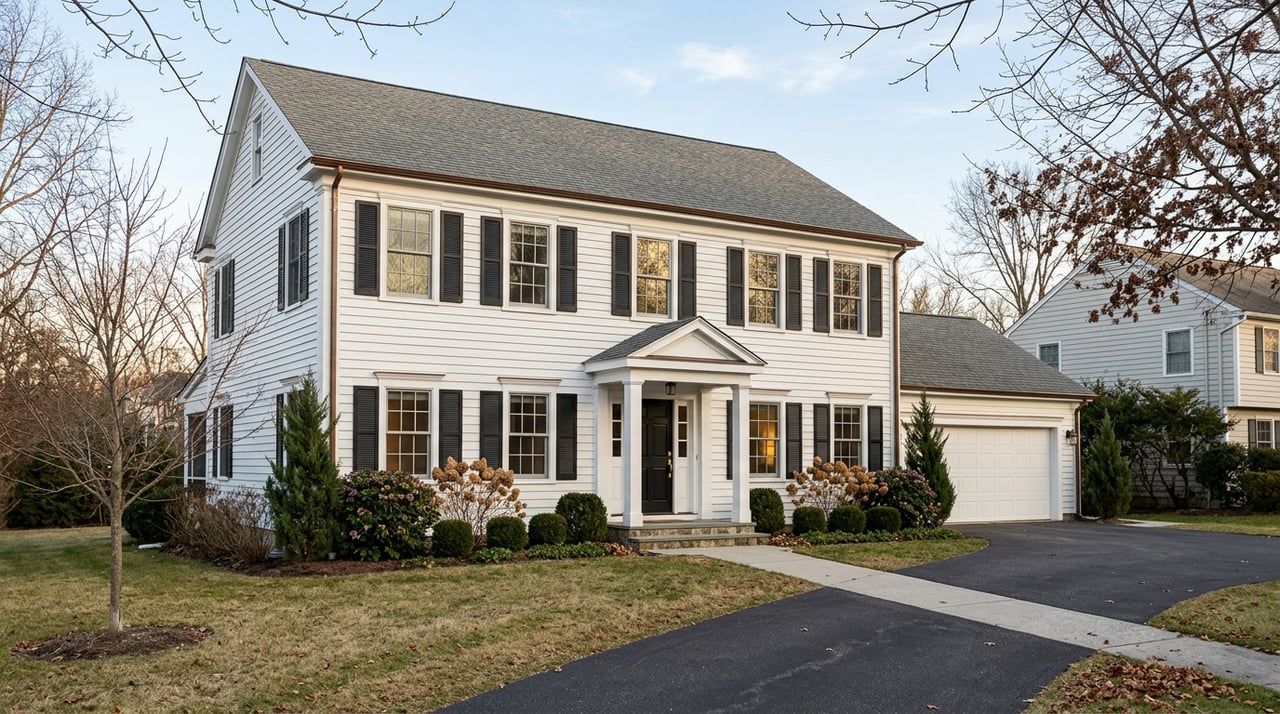
If your idea of luxury is more about privacy, landscape, and daily ease than a flashy gated entrance, Lincoln deserves a closer look. This town offers a different kind of upscale living, one shaped by historic roads, country club amenities, and quick access to Providence without giving up breathing room. If you are weighing where refined suburban life fits best in Greater Providence, Lincoln has a compelling case. Let’s take a closer look.
What Luxury Looks Like in Lincoln
Lincoln’s luxury appeal is not defined by one master-planned neighborhood or a single high-profile enclave. Instead, the town is made up of historic villages, scenic corridors, and residential pockets that feel distinct from one another.
According to Lincoln’s planning framework, the town is organized around places such as Manville/Albion, Limerock/Quinnville, Lonsdale, and Saylesville/Fairlawn. For you as a buyer, that means the experience of living in Lincoln can vary quite a bit depending on where you land. Some areas feel more tucked away and pastoral, while others reflect the compact pattern of older mill-village development.
That mix is part of Lincoln’s identity. The town has emphasized preserving its historic character, open space, and rural feel, which gives its higher-end housing stock a more grounded and place-specific quality.
Great Road and Breakneck Hill Road
For many buyers, the strongest impression of luxury in Lincoln comes from the Great Road and Breakneck Hill Road corridor. This part of town carries a more estate-oriented feel, with a landscape shaped by historic homes, open land, and a quieter residential rhythm.
The Great Road Historic District reflects that layered setting. Preservation records describe a corridor of early houses, farmed fields, mills, and later infill, creating a streetscape that feels more pastoral than suburban in the typical sense.
This is also where Lincoln’s historic character becomes especially visible. Rather than a polished but generic luxury product, you find a setting with depth, texture, and architectural continuity.
A More Historic Luxury Aesthetic
Great Road tells the clearest architectural story in Lincoln. State preservation records identify Federal, Greek Revival, and Italianate buildings along with stone houses, clapboard homes, mills, and workers’ cottages.
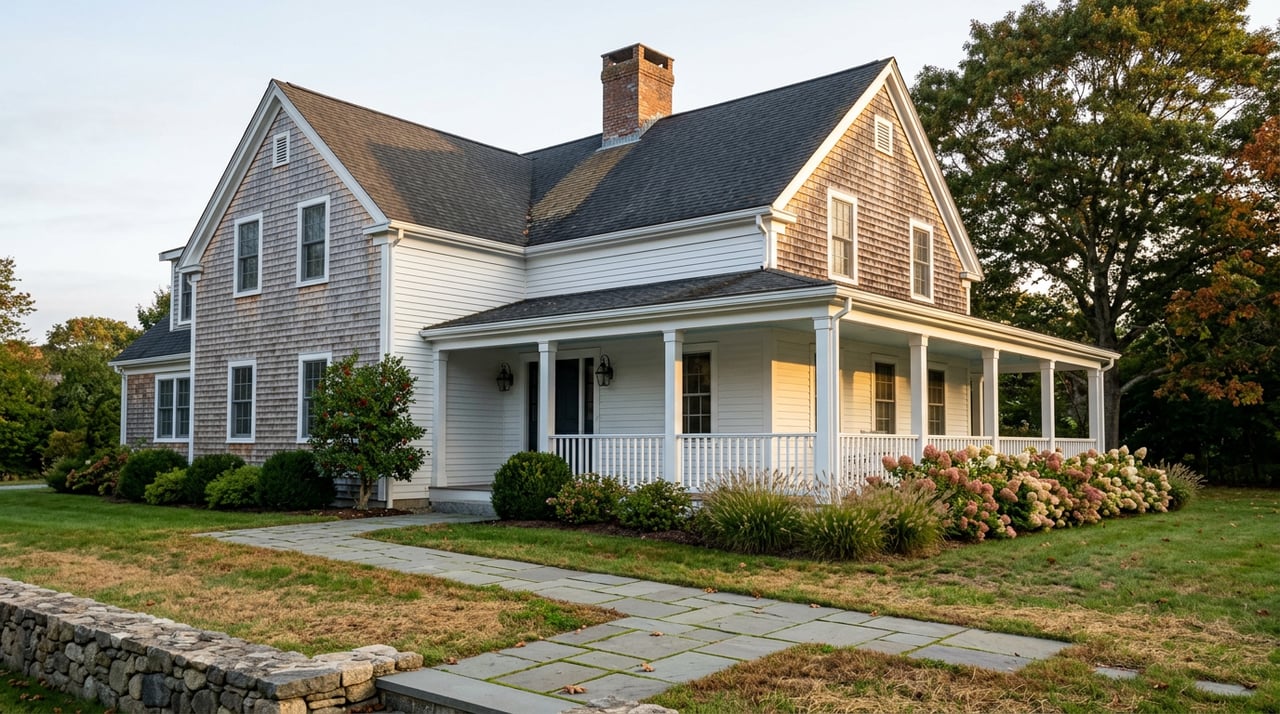
That range matters because it shapes the look and feel of the area. In Lincoln, luxury often reads as substantial and understated, with older homes set into the landscape rather than recent construction designed to stand apart from it.
Hearthside offers a useful reference point for this style of living. The house, built in 1810, is a 2½-story stone residence with 10 rooms and 10 fireplaces, and it captures the kind of historic presence that defines Lincoln at its most distinctive.
Village Character Adds Depth
One of the reasons Lincoln feels different from many luxury suburbs is that its premium areas exist alongside older village settings. The town does not present as one continuous upscale zone. Instead, it feels layered and real.
That is especially clear in places like Manville and Limerock. These districts bring a very different scale and history, and they help explain why Lincoln appeals to buyers who want a town with character rather than uniformity.
Limerock’s Architectural Variety
Limerock Village adds another dimension to Lincoln’s visual identity. Rhode Island preservation records note architecturally and historically significant buildings, lime quarries, kiln ruins, a Greek Revival house with a Doric portico, a Stick Style church, a Victorian barn, taverns, stores, and a Masonic lodge.
For you, that means Lincoln offers more than one version of beauty. Some areas feel spacious and refined, while others feel tightly knit, historic, and visually varied.
Manville’s Mill-Village Context
Manville provides another important piece of the picture. The Manville Company Worker Housing Historic District includes 49 units of factory housing, with detached frame buildings and brick rowhouses in a denser layout.
That context matters because it shows Lincoln as a full community, not a staged luxury product. The town’s most desirable addresses exist within a broader fabric of local history, working landscapes, and long-established neighborhoods.
Country Club Living in Lincoln
If country club access is part of your lifestyle checklist, Lincoln stands out in the Greater Providence area. The town offers both a full-service private club environment and a smaller, more intimate club experience.
This matters because club living here is not an afterthought. It is a real part of the lifestyle equation for buyers who want recreation, dining, and social opportunities close to home.
Kirkbrae Country Club
Kirkbrae Country Club is Lincoln’s strongest country-club reference point. The club describes itself as a private family country club with a par-72 championship course, a health facility, a 240-seat members lounge, a special-events facility for up to 380 guests, an Olympic-size heated pool, four tennis courts, and two pickleball courts.
For buyers drawn to a more complete amenity package, that is a meaningful offering. It supports a lifestyle where golf, fitness, racquet sports, dining, and gatherings can all happen within your regular routine.
Kirkbrae also notes that it is about 15 minutes north of Providence. That proximity strengthens Lincoln’s appeal for those who want a suburban home base with convenient access to the city.
Lincoln Country Club
Lincoln Country Club offers a different pace. It is a private nine-hole facility with membership options, a pro shop, and Michele’s Place, which serves members and the public with a full menu, weekly specials, craft cocktails, and private-event capability.
That smaller scale may appeal if you prefer something more low-key and local in feel. Together, these clubs show that Lincoln’s leisure options are varied rather than one-note.
Daily Life Beyond the Club
Lincoln’s lifestyle appeal goes well beyond golf. One of the town’s strongest advantages is the way outdoor recreation, road access, and local events fit into everyday life.
If you are moving from Providence or another denser setting, this can feel like a meaningful shift. You gain more space and outdoor access while staying connected to the region.
Access to Providence and Beyond
Lincoln’s circulation pattern is largely highway-based. Town planning documents identify Interstate 295 and Route 146 as major transportation corridors, with Route 146 beginning in downtown Providence and passing through Lincoln.
That road network makes Lincoln especially practical if you commute or travel often within Greater Providence or toward southern Massachusetts. Great Road, Route 123, and Route 126 also help connect the town’s villages and residential areas.
Transit is available, though it plays a supporting role. RIPTA serves Lincoln with several fixed routes and Flex service, including the Lincoln Mall Park & Ride route, but the town still functions more as a car-oriented community than an urban neighborhood.
Parks, Trails, and Open Space
Recreation is central to Lincoln’s daily rhythm. Lincoln Woods State Park offers swimming, hiking, horseback riding, fishing, boating, and a circumferential road popular with walkers and bicycle riders.
For many buyers, that kind of access changes how a home feels day to day. You are not simply buying a house, but also buying into an easier relationship with the outdoors.
The Blackstone River Bikeway adds another layer. The 18.2-mile path includes Lincoln segments that follow the historic Blackstone Canal and pass river views, waterfalls, marshes, old mills, dams, and the Albion and Manville riverfront.
A Town With Local Rhythm
Lincoln also maintains a civic calendar that helps the town feel active and connected. The town hosts events such as the Memorial Day Parade, Summer Concert Series, and Great Road Day.
That kind of programming adds texture to daily life. It reinforces the sense that Lincoln is not only scenic and private, but also socially grounded.
How Lincoln Compares in Greater Providence
For many luxury buyers, the key question is not whether Lincoln is beautiful. It is whether Lincoln fits the life you want to lead.
Compared with closer-in Providence locations, Lincoln offers more landscape, more privacy, and a stronger club-and-outdoors lifestyle. In exchange, you give up some walkability and urban immediacy.
Compared with Rhode Island’s coastal luxury markets, Lincoln offers a different kind of prestige. Instead of waterfront drama, you get inland convenience, historic depth, and easier access to Providence, Woonsocket, and parts of southern Massachusetts.
That is why Lincoln often appeals to buyers looking for space and polish without leaving the metro orbit. Its identity comes from the combination of village character, scenic residential corridors, country club living, and strong outdoor access.
Who Lincoln May Suit Best
Lincoln can be especially appealing if you are looking for a primary residence with a refined but less formal feel. It suits buyers who value privacy, architectural character, and room to move through the day with less friction.
You may also find Lincoln compelling if you want access to Providence without living in a denser neighborhood. The town’s location allows for connection to the city while maintaining a more relaxed, landscape-driven home environment.
For sellers, Lincoln’s story is equally important. Properties here are often best understood through setting, architecture, and lifestyle context, not just square footage or finishes. That kind of market benefits from nuanced presentation and local knowledge.
If you are considering a move to Lincoln or preparing to position a home for sale, working with an advisor who understands the town’s layered identity can make a meaningful difference. To start a private conversation, connect with ONE Residential.
FAQs
What defines luxury neighborhoods in Lincoln, Rhode Island?
- Lincoln’s luxury appeal is shaped more by scenic corridors, historic homes, country club access, and larger residential settings than by one master-planned luxury subdivision.
What is the Great Road area like in Lincoln?
- Great Road is one of Lincoln’s most distinctive areas, known for historic architecture, pastoral surroundings, and a layered streetscape of early houses, mills, and open land.
What country club options are available in Lincoln?
- Lincoln includes Kirkbrae Country Club, with a broad amenity package, and Lincoln Country Club, a smaller private nine-hole club with dining and event space.
How close is Lincoln to Providence?
- Lincoln offers convenient regional access, with Route 146 connecting to downtown Providence and Kirkbrae noting a location about 15 minutes north of the city.
What outdoor recreation is available in Lincoln, Rhode Island?
- Lincoln offers strong outdoor access through Lincoln Woods State Park and the Blackstone River Bikeway, with activities that include hiking, biking, boating, fishing, and walking.
Is Lincoln more urban or suburban in character?
- Lincoln is best understood as a suburban town with rural character, village-based development patterns, open space, and a more car-oriented lifestyle than Providence.